
Category: Smart Money Tips

Texas Capital Gains Tax: Everything You Need to Know

texas capital gains
Key Takeaways:
  • Texas doesn’t tax capital gains, but the federal government does. If you live in Texas and sell an appreciated asset for a profit, you may owe federal capital gains tax depending on what you sell, how long you’ve owned it, and your taxable income.
  • The amount an asset has gone up in value isn’t necessarily the amount you’ll be taxed on. Your taxable gain is generally based on the difference between what you receive from the sale and your adjusted tax basis, which starts with what you paid for the asset and may change over time based on factors such as improvements, expenses, and depreciation.
  • What you’re selling matters. Stocks, real estate, business interests, cryptocurrency, inherited or gifted assets, and other investments can come with different tax rules and considerations.
  • Planning ahead may give you more options. Timing a sale, selling gradually, using capital losses, donating appreciated assets, and planning large transactions in advance are some strategies that may help you minimize the amount of federal tax you owe.

Texas is one of a handful of states that doesn’t tax capital gains at the state level. It also doesn’t have a personal income tax. 

That means if you’re a Texas resident and you sell stocks, real estate, a business, cryptocurrency, or other appreciated assets for more than you paid, the state won’t tax the profits.

Federal taxes are a different story.

Depending on what you’re selling, how long you’ve owned it, and your taxable income, you may still owe federal capital gains taxes. 

The good news? Understanding the rules before you sell can help you plan ahead and avoid unexpected tax consequences. 

Here’s what you need to know about capital gains taxes in Texas.

Is There a Capital Gains Tax in Texas?

The short answer is no. If you’re a Texas tax resident, you don’t have to pay a Texas capital gains tax when you sell an appreciated asset. 

Texas doesn’t tax profits from selling stocks, real estate, a business, cryptocurrency, private investments, or other assets.

But federal capital gains taxes may still apply when you sell an asset for more than it’s worth for tax purposes, known as your tax basis. 

Your tax basis is generally what you paid for the asset, adjusted for certain costs or other factors. (We’ll cover how tax basis works later in this guide.)

That’s why the phrase “Texas capital gains tax” can be confusing. 

While Texas doesn’t tax capital gains at the state level, the federal government may still tax all or part of your gain. 

In other words, the state tax may be zero, but your federal tax bill could still be significant.

One advantage of living in Texas is that you don’t have to worry about paying both federal capital gains tax and Texas state income tax on the same gain. 

In many other states, both may apply. 

Moving to Texas Doesn’t Always Mean Zero State Tax

If you’re moving to Texas from another state, don’t assume that establishing Texas residency automatically eliminates state income tax on every future capital gain. 

In some situations, your former state may still tax a gain based on when the sale occurs, where the asset is located, or how the income was earned.

For example, a former state may still tax:

  • A sale completed before you become a Texas resident. If you sell appreciated investments while you’re still a resident of your former state, that state may tax the gain even if you move to Texas shortly afterward.
  • Real estate located in your former state. If you move to Texas but continue to own a rental property, vacation home, land, or other real estate in your former state, that state will generally continue to tax the gain when you sell the property because the income is sourced to where the property is located.
  • Certain equity compensation earned while working in your former state. Stock options, ESPPs, RSUs, and other forms of equity compensation can have different state tax rules. A portion of the income may remain taxable by the state where the underlying services were performed, even after you move to Texas.
  • Installment-sale income from certain assets. If you sell an asset before moving and receive payments over several years, your former state may continue to tax income from the sale depending on the asset and the state’s sourcing rules.
  • Certain business or partnership interests. Gains from selling an interest in a business or partnership can have state-specific sourcing rules, particularly when the business owns real property or operates in the former state.

The rules vary significantly by state and by asset type. The timing of your move alone isn’t always enough to determine whether another state can tax a gain. If you’re planning a move to Texas around a large liquidity event, review the transaction and your residency status before the sale occurs.

What Creates a Federal Capital Gain?

A capital gain doesn’t happen simply because an asset you own has gone up in value. 

In many cases, you create a capital gain when you sell or otherwise dispose of an asset for more than your adjusted tax basis, which is generally what the IRS considers your cost for tax purposes.

For example, imagine you purchased shares of a fast-growing technology company for $10,000. Over several years, those shares grew in value to $25,000. 

Even though your investment has gained value, you generally don’t owe capital gains tax until you sell it and lock in the gain.

Your taxable gain generally depends on the difference between what you receive from the sale and your adjusted tax basis. 

For many assets, your tax basis starts with what you originally paid. Over time, however, that number can change.

Capital improvements, reinvested dividends, depreciation, inherited or gifted assets, and other adjustments can all affect your adjusted tax basis—and ultimately how your gain is calculated for tax purposes.

That’s why it’s so important to keep good records for any appreciated assets you own.

The following sections explain some of the common situations that can increase or decrease your tax basis and why those adjustments matter when it’s time to sell.

Realized and Unrealized Gains

As long as you continue to own an asset, any increase in its value is considered an unrealized gain because it hasn’t yet been triggered by a sale or other taxable transaction.

Let’s go back to our earlier example. Those shares of a fast-growing technology company you purchased for $10,000 are now worth $25,000. On paper, you’ve made a $15,000 profit.

But as long as you continue to own those shares, you don’t owe capital gains tax.

Once you sell those shares and lock in the $15,000 profit, that unrealized gain becomes what’s known as a realized gain

That’s when federal capital gains taxes may apply for Texas residents. 

Selling shares of stock, closing on the sale of real estate, selling a business interest, exchanging certain assets, or liquidating part of a taxable investment portfolio are all common taxable events that can create a realized gain.

Adjusted Basis and Net Sale Proceeds

In many cases, calculating a taxable gain on an appreciated asset isn’t as simple as subtracting the original purchase price from the sale price.

When calculating a capital gain, the IRS starts with what you paid for the asset and then adjusts that number over time to account for certain events. The result is your adjusted tax basis.

Depending on the asset, capital improvements, reinvested dividends, depreciation, inherited or gifted basis, and other prior tax adjustments can all affect your adjusted tax basis and, ultimately, the gain or loss you report when you sell the asset.

The amount you actually receive from the sale matters, too. 

Net sale proceeds are what you receive after certain selling expenses (i.e., commissions, closing costs, etc.) have been deducted. Your taxable gain is based on the difference between your net sale proceeds and your adjusted tax basis.

It’s important to distinguish between an asset’s appreciation and your taxable gain. 

An asset may increase substantially in value over time, but your adjusted tax basis helps determine how much of that appreciation is considered taxable gain when you sell.

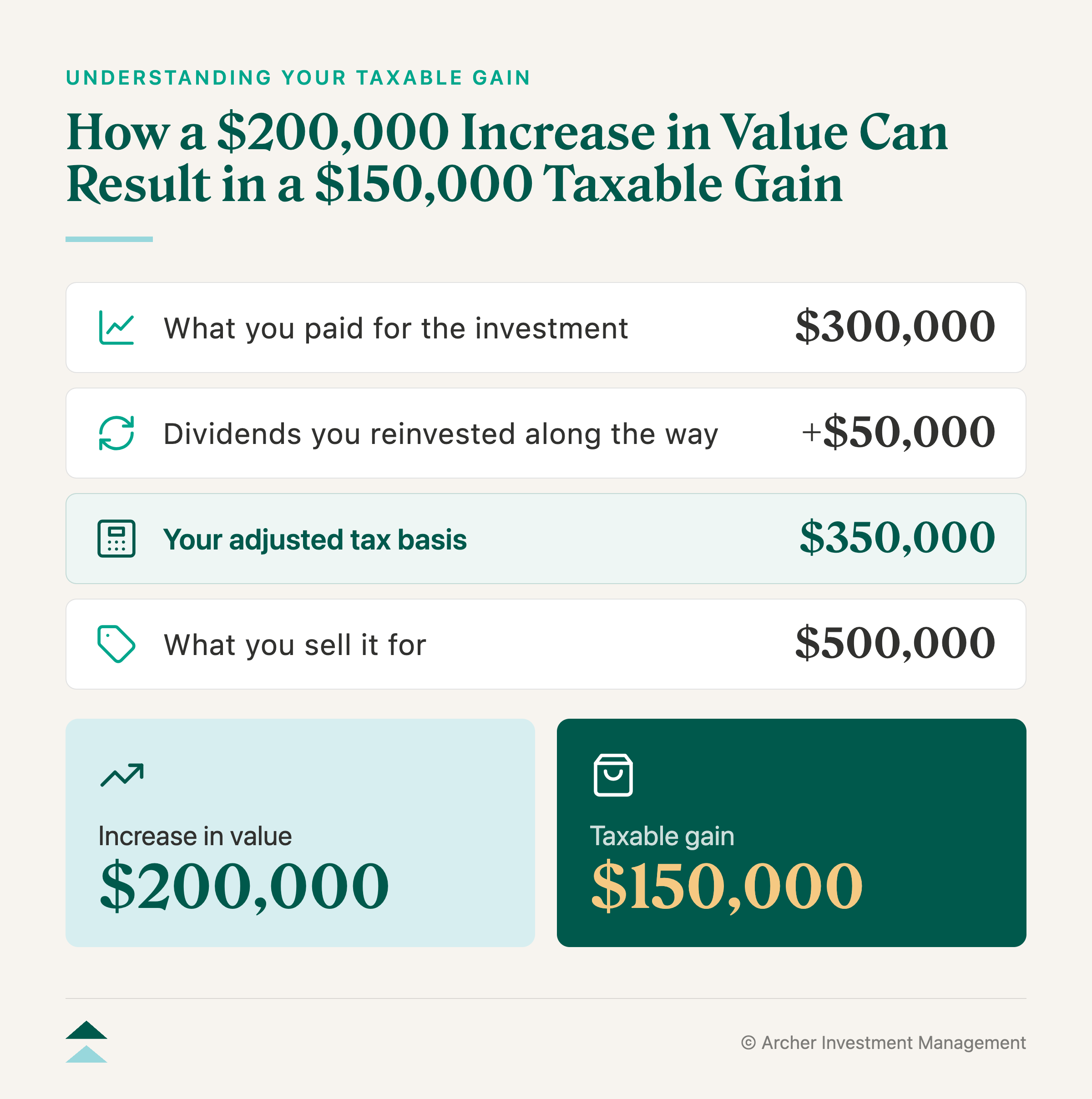
For example, imagine you purchase a rental property for $300,000. Over the next 10 years, you spend $50,000 on replacing the roof and remodeling the kitchen. 

Those capital improvements don’t automatically increase the property’s market value by $50,000, but they may increase your adjusted tax basis by that amount. That means, for tax purposes, your adjusted tax basis could increase from $300,000 to $350,000.

If you later sell the property for $500,000, the property has appreciated by $200,000. But because your adjusted tax basis is $350,000, your taxable gain may be only $150,000.
Taxable Gain in Texas

It’s also important to keep complete records to make sure you’re accurately reporting your taxable gain on an appreciated asset. 

That includes documents showing what you paid for the asset, such as settlement or brokerage statements, records of qualifying improvements or reinvestments, and documentation of selling expenses.

If you can’t document increases to your adjusted tax basis, you may not be able to include them when calculating your gain. That could make your taxable gain appear larger than it actually is, potentially causing you to pay more tax than necessary. 

Incomplete records can also make it more difficult to support the numbers reported on your tax return if questions come up later.

Short-Term and Long-Term Treatment

The length of time you’ve owned an asset before selling it can have a significant impact on how it’s taxed. 

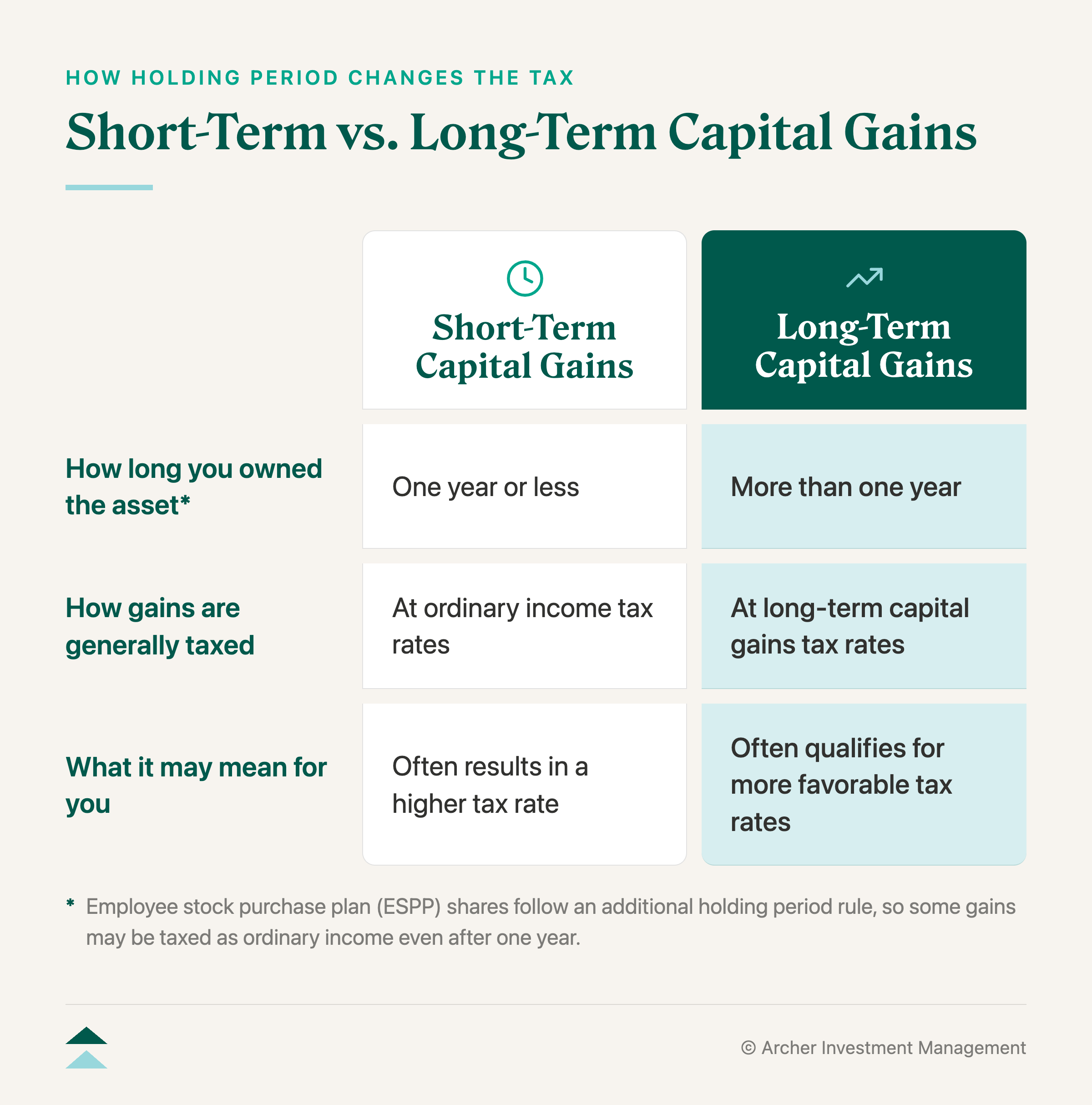
Under federal tax rules, capital gains are classified as either short-term or long-term.

Assets held for one year or less before they’re sold typically are treated as short-term capital gains. Assets held for more than one year usually are treated as long-term capital gains. 

Because long-term capital gains tax rates are often lower than the rates that apply to short-term gains, the timing of a sale can make a meaningful difference in how much tax you’ll pay.
long-term capital gains

If you’re planning to sell an appreciated asset, it’s worth reviewing how long you’ve owned it before completing the transaction. Waiting a few days or weeks to qualify for long-term treatment could reduce your tax liability, depending on your situation. 

Of course, taxes are only one consideration. Your cash needs, investment goals, and overall financial plan may make selling sooner a better choice.

Capital Losses

If you sell a taxable investment for less than its value for tax purposes, you may have a capital loss instead of a capital gain.

Capital losses offset capital gains dollar for dollar, potentially reducing the amount of gain that’s subject to tax. Capital losses can also offset up to $3,000 of active income each year, and any leftover losses can carry forward into future tax years until they’re fully used up.

For example, say you sell an investment and realize a $15,000 capital gain, then sell another and realize a $9,000 capital loss. The $9,000 capital loss offsets a portion of the $15,000 gain, leaving a remaining gain of $6,000, which may be taxable.

Whether it makes sense to realize a capital loss depends on your overall financial picture, not just the tax impact. A financial professional or tax advisor can help you evaluate your options.

Common Assets That Create Capital Gains Questions for Texas Residents

If you sell an investment or other appreciated asset for a profit, you may owe federal capital gains tax.

The details, however, can vary depending on the asset. 

Selling stocks isn’t the same as selling a rental property, a business, or cryptocurrency. Different assets may have different recordkeeping requirements, exclusions, and reporting rules.

In the sections below, we’ll look at some of the common assets that raise federal capital gains tax questions for Texas residents.

Taxable Investment Accounts

Many people own stocks, mutual funds, exchange-traded funds (ETFs), and bonds through a taxable brokerage account.

If you sell one of these investments for a profit, you may owe federal capital gains tax. The amount depends on several factors, including how long you owned the investment and your overall tax situation.

Mutual funds work a little differently because they’re professionally managed portfolios that pool money from many investors. Instead of deciding when to buy and sell investments yourself, a fund manager makes those decisions on behalf of the fund’s investors. 

If the manager sells investments at a profit, you may receive what’s known as a capital gain distribution. That distribution may be taxable even though you didn’t personally sell your mutual fund shares.

Primary Homes and Real Estate

Selling your primary home (the home you live in) doesn’t always mean you’ll owe federal capital gains tax. You may qualify to exclude up to $250,000 of capital gain from federal tax, or up to $500,000 if you’re married and file a joint tax return.

In general, you qualify for the primary residence exclusion if you owned and lived in the home as your primary residence for at least two of the five years before the sale. 

If you don’t meet these requirements, or your gain exceeds the exclusion amount, part of your gain may still be taxable.

Real estate investors face different considerations. Selling rental properties, vacation homes, land, ranches, and other properties often requires additional calculations to determine your taxable gain.

Improvements you’ve made over the years, depreciation claimed on rental property, certain closing costs, and other adjustments may all affect how much of your profit is ultimately taxable. 

Because property sales often involve additional tax rules and calculations, consider talking with a financial professional or tax advisor before you sell.

Business Interests and Private Investments

Business interests can take several forms, including ownership, a partnership interest, private company stock, or startup equity. 

Depending on the asset being sold, the transaction may be treated as capital gains, ordinary income (taxed at the same rates as your wages), or a combination of both. 

Capital gains are generally taxed at lower federal tax rates than ordinary income, which can meaningfully impact how much you keep (or don’t) after taxes.

When selling a business, its legal structure and the structure of the sale can also affect its tax treatment. 

For example, the purchase price may be divided among different business assets. Amounts allocated to inventory, for example, may be taxed as ordinary income, while amounts allocated to the value of the business’s reputation and customer relationships (often called goodwill) or stock may qualify for capital gains treatment.

Whether payments are received all at once or over several years, whether part of the proceeds are held in escrow, and the timing of the sale closing may also affect the type of tax you owe and when you have to pay it.

Cryptocurrency, Collectibles, and Nontraditional Assets

Cryptocurrency, collectibles, precious metals, art, and other nontraditional assets may be subject to different federal tax rules than traditional investments. 

While selling these assets can create taxable gains, some transactions that don’t look like a traditional sale can also have tax consequences.

For example, because the IRS treats cryptocurrency and other digital assets such as Bitcoin and stablecoins as property rather than currency, using them to buy goods or exchanging one cryptocurrency for another may create a taxable event. 

Collectibles, such as artwork, antiques, rare coins, and precious metals, may also be taxed differently than stocks and other traditional investments, depending on the asset type and how long you’ve owned it.

Keeping detailed records showing when you acquired the asset, what you paid for it, and what you received when you sold or exchanged it can help you accurately calculate and report any taxable gain to the IRS.

Inherited and Gifted Assets

An inherited asset is property you receive upon someone’s death. A gifted asset is property someone gives you during their lifetime. 

Although selling either type of asset can create a capital gain, the IRS uses different rules to calculate that gain.

For inherited assets, the basis is generally reset to the property’s fair market value at the date of death.

For example, imagine your aunt bought a house 30 years ago for $150,000. You inherit the house when she dies. At that time, it’s worth $500,000. 

In many cases, your basis is “stepped up” to the fair market value; in this case, $500,000. If you sell the home later for $550,000, your taxable gain is typically based on the $50,000 it increased in value after you inherited it.

Gifted assets often retain the original owner’s basis, or the amount they paid when they bought it. 

Using the same example, let’s say your aunt gifted you the house while she was still alive. In that case, your basis would be the $150,000 she originally paid for it.

If you sold the home later for $550,000, your taxable gain would be based on the $400,000 increase in value over your aunt’s original basis.

capital gains on inheritance

Before selling inherited or gifted real estate, securities, business interests, or other appreciated property, confirm the basis that will be used to calculate your capital gain. 

For inherited assets, keep records such as a date-of-death appraisal or other documents showing the asset’s value when you inherited it. 

For gifted assets, keep any records from the original owner showing what they paid for the asset and any information that helps establish the asset’s basis. 

Having the right documentation can help you accurately calculate and report any taxable gain.

Closely Related Taxes and Costs That Are Not Texas Capital Gains Tax

Although Texas doesn’t tax capital gains, you may still encounter other taxes and costs when you sell an appreciated asset.

Knowing which taxes and costs may apply can give you a clearer understanding of how much you’ll actually keep from the sale.

Net Investment Income Tax

If you’re a higher-income taxpayer, you may also owe the federal Net Investment Income Tax (NIIT), an additional 3.8% tax on certain investment income, including capital gains.

The NIIT is separate from the federal capital gains tax and is not a Texas state tax.

Whether the NIIT applies depends on your income and other factors, so be sure to account for it when estimating the amount of tax you may owe on a sale.

Depreciation Recapture

If you sell rental property, business property, or another depreciated asset, you may owe more than the typical federal capital gains tax.

In some cases, part of your gain may be subject to depreciation recapture, a separate federal tax rule that generally applies when you’ve claimed depreciation deductions on the asset over time.

If you’ve claimed depreciation over the years, review your depreciation history before estimating your proceeds after taxes.

A financial professional or tax advisor can help you understand how these rules apply to your specific situation.

Ordinary Income Items in a Sale

When you sell a business, receive equity compensation, or exit an investment, you might assume every dollar you receive will be taxed as a capital gain. 

However, different parts of the transaction may be taxed differently.

For example, compensation income, inventory, accounts receivable, certain contract rights, and retirement account distributions may be treated as ordinary income rather than capital gains for tax purposes.

Knowing how each part of the transaction is taxed can give you a better idea of how much you’ll actually keep and help you avoid surprises at tax time.

Property Taxes, Closing Costs, and Transaction Expenses

When you sell an asset, you may also pay Texas property taxes, title fees, broker commissions, legal fees, and other transaction costs. 

These expenses are separate from the federal capital gains tax, even though they may arise as part of the same transaction.

Some of these costs may affect your capital gain, while others simply reduce the amount of money you receive from the sale. 

For example, broker commissions may reduce the capital gain you report on an investment sale for tax purposes. Others, such as property taxes, are separate expenses that can reduce how much you ultimately keep from the sale of a home.

Looking at taxes and transaction costs together can give you a more realistic estimate of what you’ll walk away with after the sale.

Ways Texas Residents Can Manage Federal Capital Gains Exposure

Once you understand how federal capital gains taxes work, the next step is deciding how to plan for them.

Because Texas doesn’t have a state capital gains tax, many capital gains tax planning strategies for Texas residents focus on federal tax rules.

Before selling an appreciated asset, consider how it could affect your income, taxes, investments, cash needs, charitable goals, and other financial priorities.
federal capital gains taxes

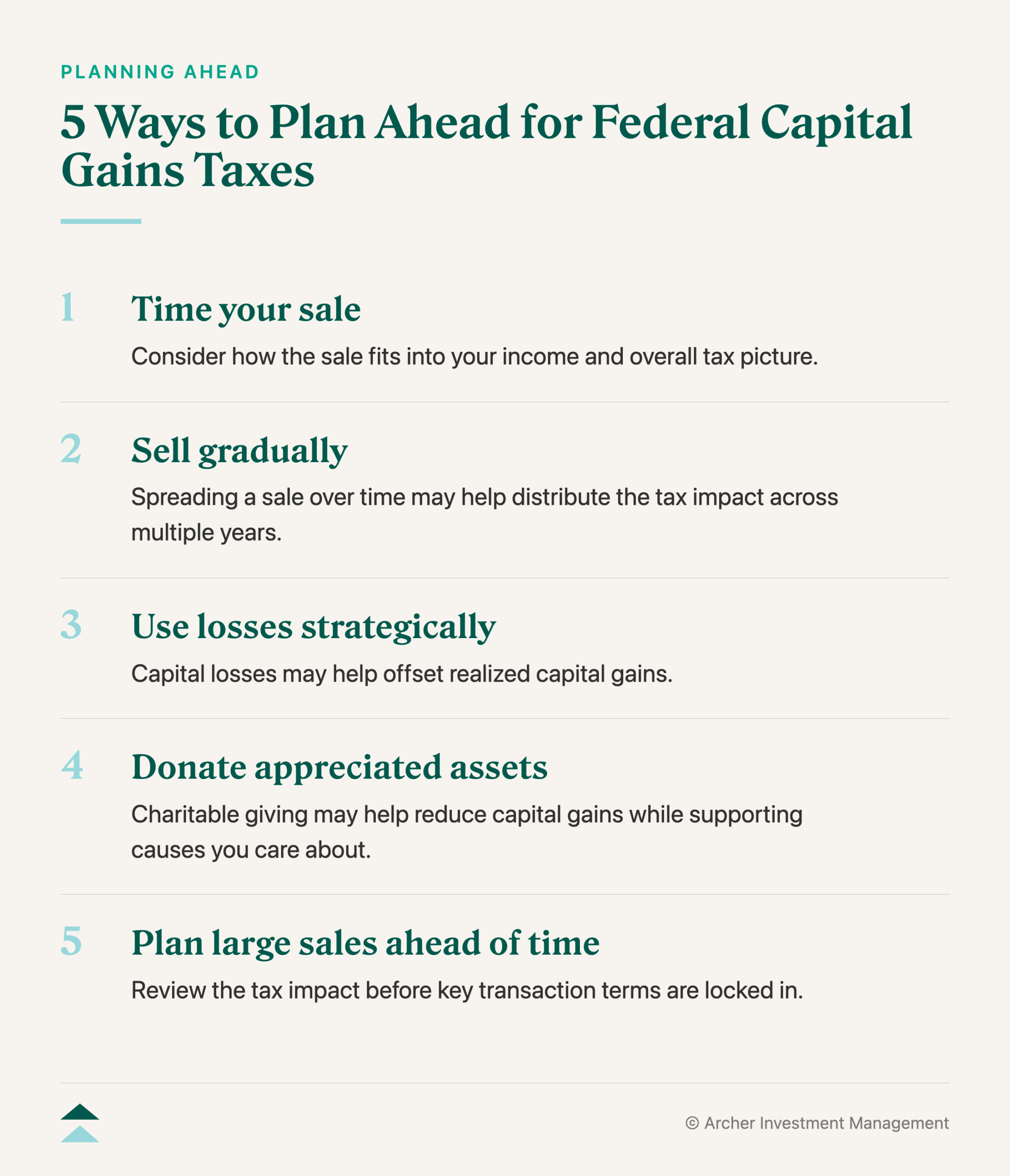
Timing a Sale Around the Full Tax Picture

The timing of a sale can influence the amount you may pay in federal taxes in a given year.

Depending on your circumstances, you may benefit from selling during a lower-income year, spreading sales across multiple years, or coordinating a sale around retirement, bonuses, business income, or significant deductions.

Instead of looking at the capital gain by itself, consider how the sale fits into your overall tax picture for the year.

Selling Gradually Instead of All at Once

Selling an appreciated asset over time instead of all at once may help spread the tax impact across multiple years while gradually creating access to cash.

It can also reduce concentration risk if a large portion of your wealth is tied up in a single investment or appreciated asset, such as company stock.

Using Capital Losses Intentionally

If some of your investments have declined in value, you may consider tax-loss harvesting. This strategy involves selling investments at a loss to help offset capital gains. 

If your investment losses exceed your gains, you may be able to use up to $3,000 per year to offset ordinary income from your regular earnings on your federal tax return, and any remaining losses can generally be carried forward to future tax years.

Keep in mind taxes are only one consideration when deciding whether to sell an investment at a loss.

Donating Appreciated Assets

If charitable giving is important to you, consider donating appreciated long-term securities or other eligible assets directly to causes you care about. 

That way, you may be able to avoid paying capital gains tax on the appreciation, as opposed to selling the assets and donating the cash to charity. 

You may also qualify for a charitable tax deduction if you itemize.

In addition to potential tax benefits, donating appreciated assets may help diversify your portfolio and reduce concentrated exposure to any single investment. 

Structuring Large Sales Before Terms Are Final

The structure of a business sale, real estate transaction, installment sale, or private investment exit can meaningfully affect how much you owe in federal taxes. 

Once the payment schedule, sale structure, and other key terms are locked in, some strategies for minimizing tax impacts may be off the table. 

Reviewing the proposed transaction and negotiating terms where appropriate can give you more flexibility and help you avoid tax surprises once the sale is finalized.

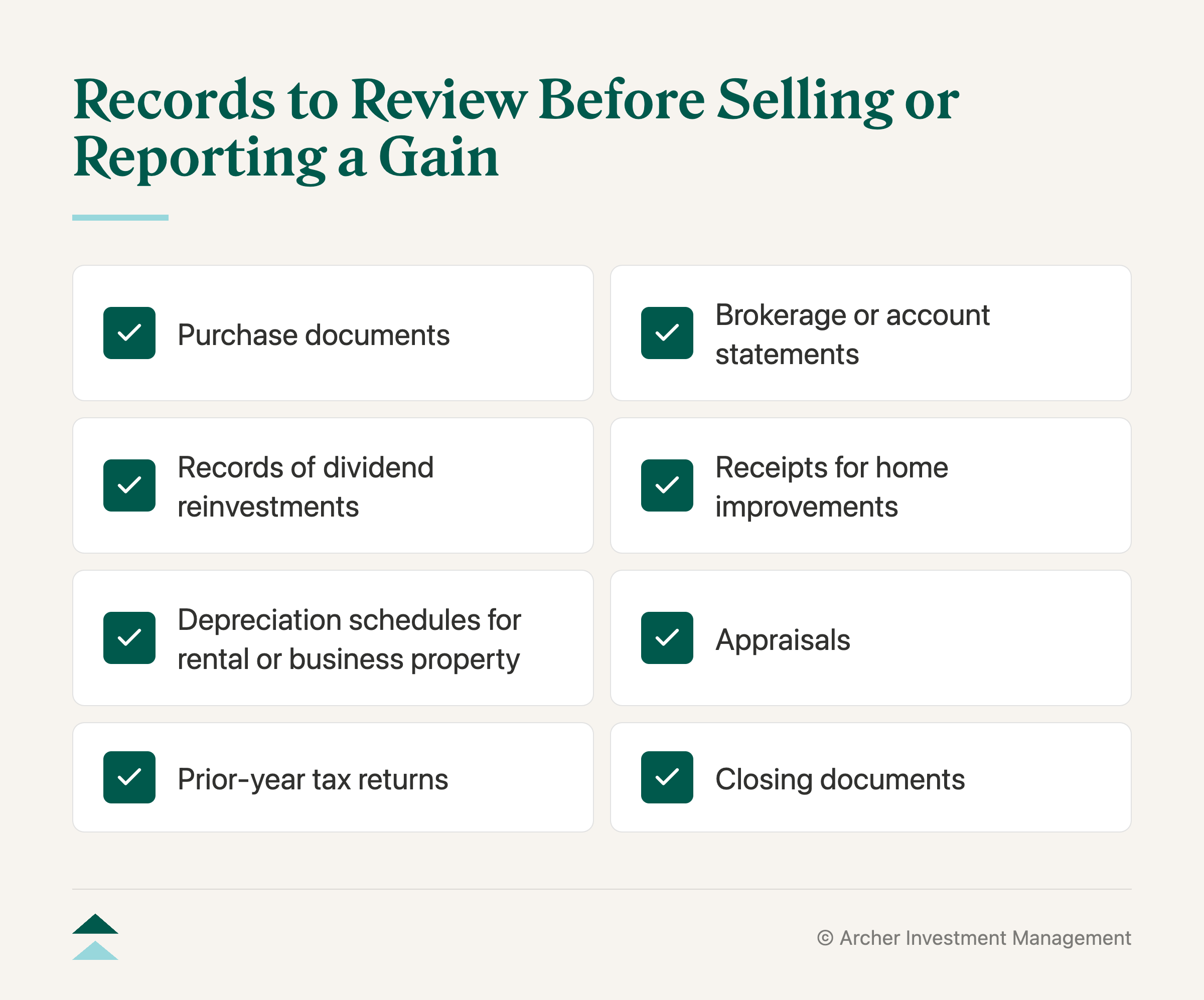
Records to Review Before Selling or Reporting a Gain

Before selling an appreciated asset or reporting a capital gain, review the records related to the purchase, ownership, and sale. 

Keeping accurate records helps you estimate how much you may owe in federal taxes before the transaction and report the sale correctly on your tax return afterward.

The records you’ll need depend on the type of asset you’re selling.
capital gains tx

Missing or incomplete records can make it difficult to calculate your adjusted tax basis accurately. That could lead to reporting a larger gain than necessary, underpaying taxes, filing delays, or confusion about what belongs on your federal tax return.

Reviewing your records can also help you estimate how much money you’ll have available after taxes, determine whether you may need to make estimated federal tax payments, and understand how the sale could affect your annual tax obligation.

Good recordkeeping isn’t just administrative. It can directly affect the capital gain you report and how much you may ultimately keep from the sale.

Capital Gains Taxes in Texas FAQs

Is there a capital gains tax in Texas?

No. Texas does not impose a state capital gains tax. 

However, Texas residents may still owe federal capital gains tax when they sell appreciated assets such as stocks, real estate, business interests, or other investments.

Do Texas residents still pay federal capital gains tax?

Yes. Even though Texas doesn’t tax capital gains, federal capital gains tax may still apply. 

The amount you may owe depends on factors such as your taxable income, how long you owned the asset, and the type of asset you sold.

What is the difference between short-term and long-term capital gains?

Short-term capital gains apply to assets held for one year or less and are usually taxed at the same rates as wages and other ordinary income. 

Long-term capital gains apply to assets held for more than one year and often qualify for lower federal tax rates.

Do I owe capital gains tax when I sell my Texas home?

Not always. Some homeowners may qualify to exclude up to $250,000 of capital gain from federal tax, or up to $500,000 if they’re married and file jointly, if they meet IRS ownership and use requirements. 

If the gain exceeds those limits or the property doesn’t qualify, federal capital gains tax may apply.

Are gains from stocks, mutual funds, and cryptocurrencies taxable for Texas residents?

They can be. Although Texas doesn’t have a state capital gains tax, selling appreciated stocks, mutual funds, cryptocurrency, or other investments may trigger federal capital gains tax, depending on your circumstances.

Can capital losses reduce the tax owed on capital gains?

Yes. Capital losses can offset capital gains for federal tax purposes.

If your losses exceed your gains, you may also be able to use a limited amount to offset ordinary income, such as wages, each year and carry any remaining losses forward to future tax years.

What records should I review before selling appreciated assets in Texas?

Review records that help establish your adjusted tax basis, which generally starts with what you paid for the asset and may change based on certain expenses, improvements, or other adjustments.

Depending on the type of asset, these records may include purchase documents, account statements, dividend reinvestment history, receipts for home improvements, depreciation schedules, appraisals, prior tax returns, and closing documents. 

Keeping complete records can help you estimate how much you may owe in federal taxes before a sale and report the transaction accurately afterward.

Get Help Planning Around Capital Gains Taxes in Texas

While Texas doesn’t have a state capital gains tax, federal capital gains tax may still apply when you sell an appreciated asset.

The timing, structure, and type of asset you’re selling can all affect how much of the proceeds you end up keeping.

Whether you’re selling investments, real estate, a business, inherited property, or another appreciated asset, understanding the potential tax impact before you sell can help you plan ahead and potentially keep more of the profits.

That’s where we come in.

Our team can help you estimate the potential federal tax implications of a sale, compare different sale scenarios, and evaluate strategies that may help reduce the tax impact.

We’re also here to talk through how the sale fits into your broader financial plan.

If you’re thinking about selling an appreciated asset and want to understand how the transaction could affect your tax situation, schedule a complimentary consultation.

Disclosure: Tax estimates and projections are based on information available at the time of analysis and are subject to change. Archer Investment Management does not provide legal or tax advice. Clients should consult their tax professional regarding their specific circumstances.

This article is for general educational purposes only and is not individualized tax, legal, or investment advice. Tax rules are complex and can change, and outcomes depend on your specific situation. You should consult your CPA and/or attorney regarding your circumstances. Archer Investment Management is an SEC-registered investment adviser; registration does not imply a certain level of skill or training. Investing involves risk, including the possible loss of principal. 

 

How Austin’s Tech Companies Structure Equity Compensation: What to Know About RSUs, ISOs, NSOs, and ESPPs

equity compensation in austin texas
Key Takeaways:
  • RSUs, ISOs, NSOs, and ESPPs all provide company equity, but they work—and are taxed—very differently. Understanding those differences can help you make more informed financial decisions about your equity compensation.
  • Timing matters. Vesting schedules, exercise decisions, and holding periods can all affect the value of your equity compensation and the taxes you may owe.
  • Your equity compensation should support your broader financial goals. A thoughtful strategy can help you manage risk, navigate taxes, and make the most of the opportunities your employer provides.

Home to fast-growing startups, established technology companies, and a thriving AI sector. Austin has become a leading technology hub, ranking as the fifth-largest tech talent market in North America in 2025. With Austin’s tech boom fueling competition for skilled professionals, equity compensation now plays an increasingly important role in how employers here attract, reward, and retain talent.

If you’ve accepted a job with an Austin tech company, there’s a good chance your pay package includes equity compensation—a chance to share in the company’s future success through stock awards or stock purchase opportunities.

If you’re evaluating a new job offer, it’s also worth knowing that equity compensation may be negotiable. While salaries often receive the most attention during offer discussions, some employers may have flexibility around equity awards, vesting terms, signing bonuses, or other compensation components.

For many employees, equity comp can become one of the most valuable parts of their overall financial picture. 

In some cases, it can create life-changing wealth. However, you typically don’t receive all of it at once. Instead, those shares become yours gradually through a process called vesting, which means you earn ownership over time as you continue working for the company or meet specific performance goals.

Most Austin tech companies rely on four common forms of equity compensation, although the type you’re offered depends on the company and your role:

  • Restricted Stock Units (RSUs)
  • Incentive Stock Options (ISOs)
  • Non-Qualified Stock Options (NSOs)
  • Employee Stock Purchase Plans (ESPPs)

Each equity comp program works differently. They have different tax rules, risks, and opportunities for building long-term wealth. The good news is that you don’t need to become an expert to understand your options. 

Learning how different equity compensation programs work can help you navigate your choices with greater confidence and make the most of the opportunities available to you.

In this comprehensive guide to stock options, we’ll walk through how RSUs, ISOs, NSOs, and ESPPs work, how they’re commonly used by Austin tech companies, and what you should know about vesting, taxes, and long-term financial planning so you can feel more confident making decisions about the equity you’ve earned.

Equity Compensation in Austin’s Tech Scene: The Basics

Why do so many Austin tech companies offer equity compensation instead of simply paying higher salaries? 

Equity compensation gives employees an opportunity to share in the company’s success while helping employers compete for top talent.

Equity compensation can be especially valuable in the technology industry, where companies often focus on future growth. 

Early-stage startups may not have the cash flow to offer the highest salaries, but they can make compensation packages more competitive by offering equity with the potential to appreciate over time. 

More established companies often continue to offer equity comp as a way to reward employees, encourage retention, and keep compensation competitive.

Austin’s technology sector includes companies at every stage of growth, from venture-backed startups to publicly traded corporations, so equity compensation packages can vary considerably from one employer to the next. 

Most companies rely on one or more common types of equity compensation, and the mix often changes as a company grows.

  • Early-stage startups often grant stock options, such as Incentive Stock Options (ISOs) or Nonqualified Stock Options (NSOs), giving employees the opportunity to purchase company stock at a predetermined price after meeting certain vesting requirements.
  • Growing and later-stage private companies often continue offering stock options while some also introduce Restricted Stock Units (RSUs) as they mature and prepare for a potential IPO or acquisition.
  • Public companies commonly provide Restricted Stock Units (RSUs) and Employee Stock Purchase Plans (ESPPs), enabling eligible employees to purchase company stock through payroll deductions, often at a discount. Some may also continue to offer stock options.

Understanding how each type of equity comp works can help you evaluate your compensation package and plan for the opportunities—and responsibilities—that come with owning company stock.

RSU vs. ISO vs. NSO vs. ESPP Programs for Austin Tech Companies

Although RSUs, ISOs, NSOs, and ESPPs are all common forms of equity compensation, they differ in how employees acquire shares, their tax treatment, and the level of flexibility they provide.

equity compensation

Restricted Stock Units (RSUs): How They Work

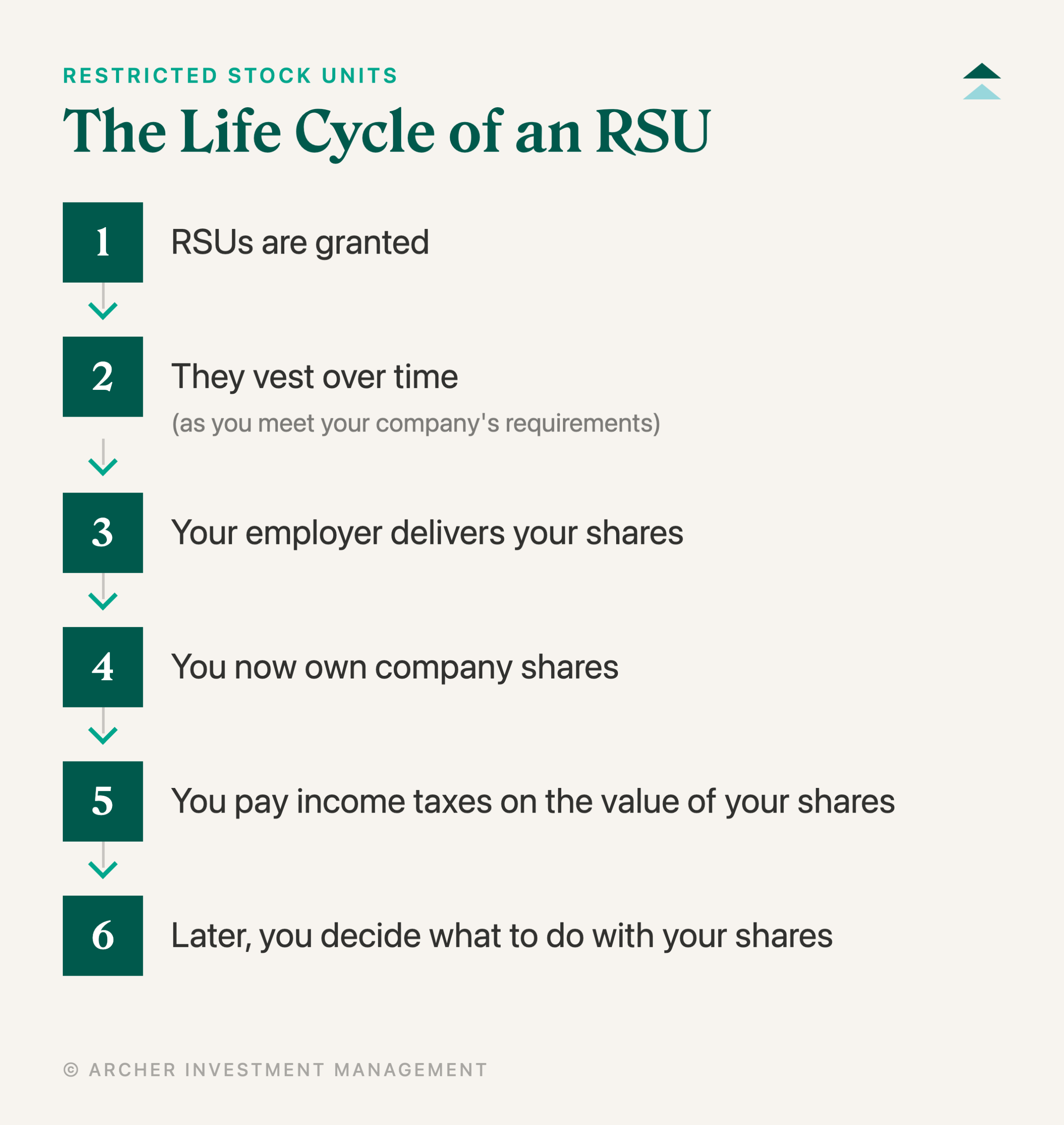
A Restricted Stock Unit (RSU) is an equity award that gives you company stock in the future. Your employer grants you RSUs as part of your scheduled bonus paid in stock, but you don’t get to own those shares right away. Instead, you earn the right to own those shares by meeting certain requirements, such as remaining with the company for a specific period or reaching performance goals.

For example, your offer letter might say you’ve been granted 1,000 RSUs as part of your compensation package. That doesn’t mean you immediately own 1,000 shares of company stock. Instead, your company uses a vesting schedule—a timeline that determines when your RSUs are delivered to you as shares of company stock.

As your RSUs vest, your employer usually deposits the shares into an investment or brokerage account in your name according to that schedule. Once that happens, they’re yours to keep. If you leave the company before all of your RSUs have vested, you’ll typically forfeit the RSUs that haven’t vested yet.

RSU life cycle

Companies use different vesting schedules depending on their equity compensation plans. Common examples include:

  • Time-based vesting: Your RSUs vest based on how long you’ve worked at the company.
  • Performance-based vesting: Your RSUs vest when you meet specific business or individual performance goals.
  • Double-trigger vesting: Some companies include special rules that allow unvested RSUs to vest sooner if the company is acquired and your job is also affected by the transaction. In other words, both events must occur before those RSUs become yours.

Taxes on RSUs are another important consideration. 

With RSUs, taxes often come into play twice. The first time could be when your RSUs vest and your employer delivers your shares. At that point, the IRS generally treats the value of those shares as taxable income. If you’re able to sell your shares in the future for more than they were worth when they were delivered to you, you may also owe taxes on those gains.

Pros of RSUs

  • Once your RSUs vest, the shares belong to you.
  • Your shares may increase in value over time if the company performs well.
  • RSUs provide a straightforward way to build ownership in the company over time.

Potential drawbacks of RSUs

  • Your employer—not you—determines when your RSUs vest and when you receive your shares.
  • You may owe income taxes when your RSUs vest, even if you aren’t able to sell the shares right away.
  • If a large portion of your investments is tied to your employer’s stock, changes in the company’s value could have a bigger impact on your overall finances.

Incentive Stock Options (ISOs): How They Work

Incentive Stock Options (ISOs) are a type of equity compensation that gives you the option to purchase company stock in the future. 

Your employer isn’t giving you shares of company stock yet. Instead, they’re giving you the opportunity to buy company stock later if you choose to do so.

Growth-stage startups often offer ISOs to attract and retain talented employees while giving them a financial stake in the company’s future. 

Before you can purchase company stock, you’ll typically need to meet your employer’s vesting requirements. Vesting means earning the right to purchase company stock by meeting your employer’s requirements, such as working for the company for a certain period of time or reaching specific performance goals.

Let’s walk through an example.

Imagine your employer grants you 1,000 ISOs as part of your compensation package. At this point, you don’t own company stock. Instead, you’ve been given the option to purchase up to 1,000 shares after your options vest.

Every ISO has a strike price—the amount you’ll pay for each share if you decide to exercise your options. The strike price is usually based on the stock’s fair market value (FMV)—the company’s estimated value per share—on the grant date, when your employer awards the options. Private companies often determine FMV through an independent 409A valuation.

Let’s say your strike price is $10 per share. A few years later, after your options have vested, the company’s stock is worth $35 per share. Because your strike price doesn’t change, you can still purchase the stock for $10 per share. Purchasing the stock is called exercising your options.

In this example, there’s a $25 difference between your strike price and what each share is worth when you exercise your options—or $25,000 across all 1,000 shares. That’s what gives ISOs their wealth-building potential.

If your company’s stock becomes more valuable over time, your strike price doesn’t change. That could allow you to purchase company stock at a discount compared with its current value when you exercise your options. Whether that ultimately helps you build wealth depends on how the company performs and what you decide to do with your shares.

Unlike restricted stock units (RSUs), which become company stock automatically once they vest, exercising an ISO requires you to purchase the shares yourself. That means you’ll need cash available if you decide to exercise your options.

Once your options vest, you don’t have to exercise them immediately. Most companies give employees an exercise window—the amount of time they have to decide whether to purchase company stock before their options expire. 

If you leave the company, that window is often much shorter—commonly 90 days—to preserve the favorable tax treatment available to ISOs. Some employers offer longer exercise windows, but after 90 days, unexercised ISOs typically lose their ISO tax status and are treated as non-qualified stock options (NSOs) instead.

ISO life cycle

Taxes and ISOs

And yes, you’ll also need to think about taxes on ISOs.

Remember, exercising your options (buying the stock) isn’t the same thing as selling your shares. Those are two separate decisions, and each has different tax implications.

One important concept to understand is the bargain element. In our example, you paid $10 per share for stock that was worth $35 per share when you exercised your options. That $25 difference is called the spread or bargain element.

Even though you haven’t sold the stock or received any cash, you’ve purchased something worth more than what you paid for it. For ISOs, the bargain element is considered a tax preference item—a type of income the IRS considers when determining whether the Alternative Minimum Tax (AMT) calculation applies.

The Alternative Minimum Tax (AMT) is a separate way the IRS calculates taxes in certain situations. Not everyone who exercises ISOs ends up owing AMT. Generally, the larger your bargain element—the difference between what you paid for the shares and what they were worth when you exercised them—the more likely exercising your ISOs is to trigger the Alternative Minimum Tax (AMT). 

Holding your shares after exercising your options can also affect how your ISOs are taxed when you eventually sell them. 

If you hold your shares for at least one year after exercising your options (purchasing the stock) and two years after the grant date (when your employer awarded your options), you may qualify for more favorable tax treatment. This is called a qualifying disposition.

Selling your shares before either of those holding periods ends is called a disqualifying disposition. 

That could mean you’ll lose some of the tax advantages ISOs can provide because part or all of your gain may be taxed as ordinary income instead of the lower long-term capital gains rate.

Because the AMT rules can be complex and depend on your overall tax situation, it’s a good idea to consult a tax professional or financial advisor with equity compensation experience before exercising a large number of ISOs.

Pros of ISOs

  • Opportunity to purchase company stock at a discount if its value increases beyond the strike price.
  • Potential tax advantages if you meet the IRS holding period requirements.
  • Your investment may increase in value if the company’s stock continues to grow after you purchase your shares.

Potential drawbacks of ISOs

  • You’ll typically need cash on hand to purchase your shares when you exercise your options.
  • Exercising your options may subject you to the Alternative Minimum Tax (AMT).
  • If the company’s stock declines after you purchase your shares, your investment could lose value.

Nonqualified Stock Options (NSOs): How They Work

Like Incentive Stock Options (ISOs), Nonqualified Stock Options (NSOs) give you the right—but not the obligation—to purchase a specific number of company shares at a predetermined price in the future. That predetermined price is called the exercise price (also known as the strike price). Before you can purchase those shares, your options typically must vest, meaning you’ll need to meet your employer’s vesting requirements, such as remaining with the company for a certain period of time.

One important difference is who can receive them. While ISOs are available only to employees, companies may also grant NSOs to directors, consultants, contractors, and other service providers. That flexibility is one reason many companies choose to offer NSOs.

Here’s how that might work in practice.

Suppose your company awards you 1,000 NSOs with an exercise price of $15 per share. A few years later, after your options have vested, the company’s stock is trading at $40 per share. That current value is called the fair market value (FMV)—essentially, what one share of the company’s stock is worth at that time.

If you decide to exercise your options, you’ll purchase those shares for $15 each, even though they’re currently worth $40. In this example, the $25 difference between your $15 exercise price and the $40 fair market value (often called the “spread”) generally becomes part of your taxable income for the year because the IRS views the spread as part of your compensation. In other words, the IRS typically taxes the spread at the same rate it taxes the income you earn from your job, known as your ordinary income tax rate. The larger the spread, the greater the potential impact on your taxes. In many cases, a portion of taxes are due at the time of exercise.

If you decide to keep your shares after exercising and they continue to increase in value, you may also owe capital gains tax when you eventually sell them. A capital gain simply means you sold the shares for more than they were worth when you exercised them. If you sell them for less, you may have a capital loss instead. Holding your shares for more than one year after exercising may allow any additional gain to qualify for the lower long-term capital gains tax rate, which may be lower than the tax rate that applies to your ordinary income.

NSO life cycle

Pros of NSOs

  • Available to a broader range of individuals than ISOs, including employees, contractors, consultants, and directors.
  • Opportunity to purchase company stock at a predetermined price, even if its value increases over time.
  • Unlike ISOs, no Alternative Minimum Tax (AMT) considerations when you exercise your options.

Potential drawbacks of NSOs

  • Exercising your options generally creates taxable income, even if you don’t sell your shares right away.
  • You’ll typically need cash available to purchase your shares when you exercise your options.
  • If the company’s stock declines after you purchase your shares, your investment could lose value.

Employee Stock Purchase Plans (ESPPs): How They Work

An Employee Stock Purchase Plan (ESPP) allows employees to purchase company stock at a discounted price through automatic payroll deductions. By making it easier to buy company stock, ESPPs give employees an opportunity to build ownership in the company over time.

When you enroll in an ESPP, you choose how much you’d like to contribute from each paycheck. Your contributions are deducted from your paycheck after taxes. Those contributions continue to accumulate throughout the offering period—the time between when you enroll and when your employer purchases company stock on your behalf. 

At the end of the offering period, called the purchase date, your employer uses those contributions to invest in company stock for you.

The IRS limits employees to purchasing up to $25,000 of company stock through an ESPP each year, although many employees contribute much less.

Imagine you’ve contributed $5,000 to your employer’s ESPP during a six-month offering period. 

Many ESPPs allow employees to acquire company stock at a discount of up to 15% below the stock’s current market price. 

That means you’re buying it for less than what outside investors may be paying at the same time.

Some ESPPs also include a lookback provision. If they do, your discount may be based on whichever stock price is lower: the price at the beginning of the offering period or the price on the purchase date. If your company’s stock increases in value during that time, a lookback provision can increase your discount.

For example, suppose the stock was worth $100 at the start of the offering period and $140 on the purchase date. With a lookback provision, your purchase price would be based on the lower $100 price. After applying the 15% discount, you’d pay $85 per share—even though the stock is worth $140. That’s one reason many employees choose to participate in an ESPP. 

As with any investment, it’s important to think about how company stock fits into your overall financial plan. 

While ESPPs can be an effective way to build wealth, owning too much of any single stock can increase your investment risk.

The Life Cycle of an ESPP

Taxes and ESPPs

Your ESPP contributions are deducted from your paycheck after taxes. You typically won’t owe additional taxes when your employer purchases the shares for you.

Taxes usually come into play when you decide to sell your company stock. To qualify for more favorable tax treatment, you’ll generally need to:

  • Hold your shares for at least one year after the purchase date (when your employer purchases company stock for you).
  • Hold your shares for at least two years after the offering date (when the offering period began).

When you meet both requirements, it’s called a qualifying disposition. Doing so may allow more of your gains to qualify for the lower long-term capital gains tax rate.

Selling your shares before either holding period ends is called a disqualifying disposition. In that case, more of your gain may be taxed as ordinary income.

As with other types of equity compensation, ESPP tax rules can get complicated. A tax professional or financial advisor can help you understand the tax implications for your specific situation.

Pros of ESPPs

  • Opportunity to purchase company stock at a discount.
  • Automatic, after-tax payroll deductions make participation simple and flexible.
  • Potential tax advantages if you meet the IRS holding period requirements.

Potential drawbacks of ESPPs

  • Buying too much of your employer’s stock could tie a significant portion of your savings to the same company that provides your paycheck. If that company struggles, your financial situation could be affected in more than one way.
  • Your investment could lose value if the company’s stock declines after you purchase your shares.
  • Selling your shares before meeting the IRS holding period requirements may reduce some of the tax advantages. 

How Company Stage Influences Equity Compensation

The type of equity compensation you receive often depends on where a company is in its lifecycle. A young startup has different compensation goals—and financial resources—than an established public company. As a result, the mix of equity compensation being offered often changes as companies grow.

For example, imagine two software engineers who’ve accepted new jobs in Austin.

Taylor joins a fast-growing, privately owned startup. Because the company is focused on attracting talent while preserving cash, Taylor’s compensation package could include Incentive Stock Options (ISOs) or Non-Qualified Stock Options (NSOs). If the company continues to grow, those options could become significantly more valuable. Because its future is still uncertain, however, those potential rewards also come with greater risk than equity offered by a more established company.

Jordan, on the other hand, joins an established public technology company. Jordan receives Restricted Stock Units (RSUs) as part of an annual compensation package. He also chooses to participate in the company’s Employee Stock Purchase Plan (ESPP). Because the company’s stock already trades publicly, those programs provide employees with different ways to build ownership and reap the benefits of their contributions over time.

Company stage isn’t the only factor that influences equity compensation. Depending on your role and relationship with the company, you may receive different combinations of RSUs, ISOs, NSOs, and ESPPs. 

For example, executives and senior leaders may receive larger equity awards, while certain equity programs—such as NSOs—may also be available to directors, consultants, or other service providers. Employee stock purchase plans, by contrast, are often available to broader groups of eligible employees. 

As companies become more established, some of the uncertainty surrounding their future may decrease, but the type and amount of equity offered still often depend on factors such as your role, seniority, relationship to the company, and its compensation strategy.

Vesting Schedules and Liquidity Events

Most equity compensation doesn’t become yours all at once. Instead, it typically follows a vesting schedule that determines when you earn the right to receive or purchase company stock. 

Understanding when your equity vests—and when you can sell it—is an important part of managing your equity compensation.

Many technology companies in Austin use a four-year vesting schedule with a one-year cliff

None of your equity typically vests during your first year with the company. Once you reach your one-year anniversary (the “cliff”), the first portion of your equity—often 25%—vests all at once. The remaining equity then vests gradually, often monthly or quarterly, over the next three years.

Here’s how that might play out if your compensation package included equity representing 1,000 shares:

vesting schedule

Some equity awards also include accelerated vesting if the company is acquired or experiences another major corporate event. 

Depending on the terms of your equity compensation plan, some or all of your unvested equity may vest sooner than originally scheduled. Because these provisions vary by employer, it’s important to review your equity plan documents so you understand how your company’s program works.

Owning equity doesn’t always mean you can sell it whenever you want. 

One of the biggest surprises for employees at private companies is that even if their shares increase in value, there may not be anyone available to buy them. In many cases, employees have to wait until the company goes public, is acquired, or offers another approved opportunity to sell their shares.

This is known as a liquidity event—a point when employees can convert company stock into cash.

Some private companies also create opportunities for employees to sell shares of company stock before an IPO. 

These may include company-sponsored buyback programs or approved secondary market transactions, which allow eligible employees to sell vested shares under certain conditions. 

Not every company offers these programs, so make sure you look into the options available through your employer when the time comes to sell your company stock.

Tax Implications of Equity Compensation

One of the biggest advantages of living and working in Texas is that the state doesn’t impose a personal income tax. That means you likely won’t pay Texas state income tax on your equity compensation.

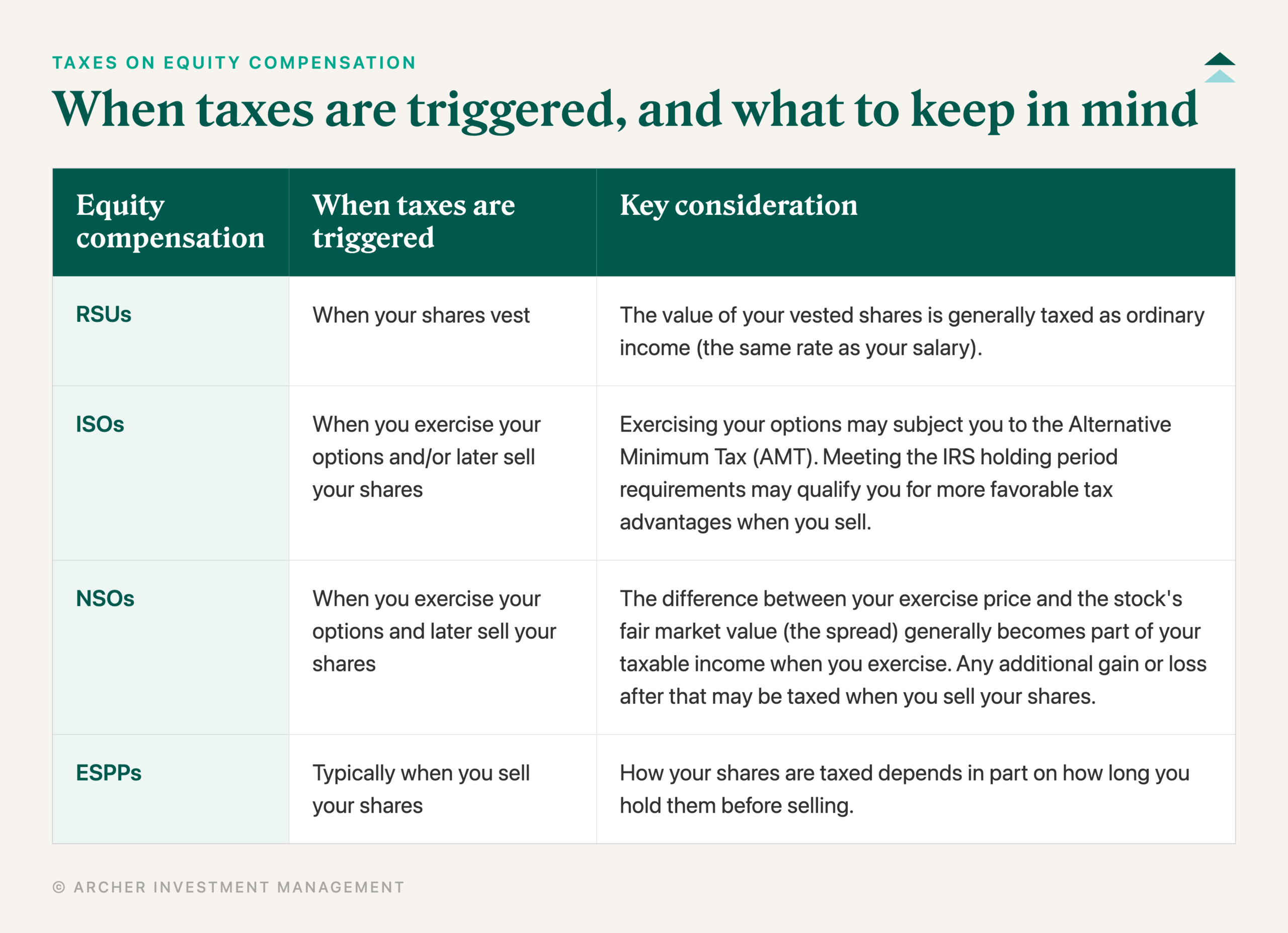
Federal tax rules, however, still apply—and those rules vary depending on whether you receive RSUs, ISOs, NSOs, or participate in an ESPP. 

taxes on equity compensation

One unique feature of Incentive Stock Options (ISOs) is the Alternative Minimum Tax (AMT)

Exercising ISOs doesn’t automatically mean you’ll owe AMT. However, exercising options with a large bargain element—the difference between your strike price and the stock’s fair market value when you exercise—may increase the likelihood that AMT applies.

Because AMT calculations depend on your overall financial situation, it’s difficult to predict whether you’ll owe additional taxes without looking at your complete tax picture. 

If you’re considering exercising a significant number of ISOs, working with a tax professional and financial advisor who understands equity compensation before making your decision can help you understand the potential impact.

Unlike ISOs, NSOs typically don’t trigger the AMT. Instead, the difference between your exercise price and the stock’s fair market value (the spread) generally becomes part of your taxable income when you exercise your options.

Here are a few strategies that may help you manage the tax implications of equity compensation:

  • Understand when each type of equity compensation may trigger taxes.
  • Plan the timing of ISO and NSO exercises, as well as company stock sales, carefully.
  • Consider the tax consequences before exercising options or selling company shares. .
  • Work with a financial advisor and tax professional before making significant equity-related decisions.

Smart Strategies for Managing Equity Compensation

Making the most of equity compensation requires thoughtful planning. The decisions you make about exercising, selling, or holding your shares can affect your taxes, investment strategy, and long-term financial goals.

Diversify your investments

If your company’s stock performs well, it’s easy for a large portion of your wealth to become tied to a single company. Gradually diversifying your investments may help reduce risk while preserving the wealth you’ve built.

Watch out for: Letting too much of your financial future depend on the performance of a single company.

Decide when to exercise ISOs thoughtfully

Exercising Incentive Stock Options (ISOs) isn’t always something you should do as soon as they vest. Before exercising your ISOs, consider your available cash, confidence in the company’s future, and the potential tax implications. If you’re planning to leave the company, pay close attention to any exercise deadlines. Many of these same planning considerations also apply to NSOs, although they’re taxed differently.

Watch out for: Waiting too long to exercise your stock options, or missing opportunities to exercise or sell when it makes the most sense for your situation.

Develop a strategy for your RSUs

When your Restricted Stock Units (RSUs) vest, you’ll need to decide whether to keep your shares or sell some or all of them. Some employees sell enough shares to help cover taxes and diversify their investments, while others hold them if doing so supports their long-term strategy. The right approach for you depends on your goals and overall portfolio.

Watch out for: Letting your default decision be to “do nothing” instead of deciding whether selling or holding supports your long-term goals.

Be strategic about ESPP contributions

Choose a contribution amount that fits comfortably within your budget, and consider how much of your savings is already invested in your employer’s stock. Once you’ve purchased shares, decide whether selling or holding them best supports your priorities and tax situation.

Watch out for: Contributing more than you can comfortably afford, selling too quickly without considering potential tax advantages, or allowing too much of your wealth to remain invested in your employer’s stock.

Make equity compensation part of your financial plan

Rather than thinking of equity compensation as an “extra,” make it part of your overall financial plan. Whether you’re saving for retirement, buying a home, or funding another long-term goal, your equity decisions should support your broader financial priorities.

Keep in mind: The best equity compensation strategy isn’t necessarily the one that minimizes taxes or maximizes returns—it’s the one that fits your overall financial plan.

Austin Tech Company Equity Compensation FAQs

What’s the difference between RSUs, ISOs, and ESPPs?

RSUs, ISOs, NSOs, and ESPPs are all forms of equity compensation, but they each work differently. RSUs turn into company stock once your shares vest. ISOs and NSOs give you the option to purchase company stock at a fixed price (called the strike price) after vesting, but they’re taxed in different ways. ESPPs allow employees to purchase company stock through after-tax payroll deductions, often at a discount. The type of equity compensation you receive usually depends on the programs your employer offers, your role and/or relationship to the company, and the company’s lifecycle.

Can I participate in more than one equity compensation program?

Yes. If your employer offers multiple equity compensation programs and you’re eligible to participate, you may receive more than one type of equity compensation. For example, an employee at a public technology company might be granted RSUs as part of their compensation package while also participating in the company’s ESPP. You may also receive different forms of equity compensation over the course of your careers as you change employers or as your role or the company’s compensation programs evolve.

What happens to unvested equity if I leave my job?

In many cases, unvested equity is forfeited when you leave the company. Vested equity may remain yours, but the rules vary depending on the type of equity compensation and your employer’s plan. For example, vested ISOs often have a limited exercise window after you leave the company. Depending on your employer’s plan, similar deadlines may also apply to NSOs. Review your equity plan documents carefully before leaving your employer so you understand the deadlines and requirements that apply to your situation.

How do IPOs and acquisitions affect my equity?

An IPO or acquisition can significantly change how your equity works. For employees at private companies that go public, these events may create an opportunity to sell shares that were previously difficult to convert into cash. Depending on your equity plan, an acquisition may also trigger accelerated vesting for some or all of your unvested equity. The exact outcome depends on what your employer’s plan documents say and the terms of the transaction.

Are there unique tax benefits for Texas employees?

Texas does not have a state income tax, which means you typically won’t owe state income tax on equity compensation if you live and work in Texas. However, federal tax rules still apply. Depending on the type of equity compensation you receive, you may owe ordinary income tax (the same tax rates that generally apply to wages), capital gains tax when you sell shares that have increased in value, or, in the case of some ISOs, the Alternative Minimum Tax (AMT). On the other hand, Nonqualified Stock Options (NSOs) are usually taxed when you exercise your options. A tax professional or financial advisor can help you understand how these rules apply to your situation.

Should I sell my company stock right away or hold it?

There’s no one-size-fits-all answer. The best decision depends on your financial and tax situation, and how much of your overall wealth is already invested in your employer’s equity comp program. Some employees choose to sell shares to diversify their investments, while others hold onto their shares because they believe in the company’s long-term potential. Rather than asking whether you should always sell or always hold, consider how that decision supports the future you’re trying to build and your liquidity needs. A financial advisor can help you evaluate trade-offs and develop a strategy that fits your overall financial plan.

Turning Your Equity Into Freedom, Flexibility, and Financial Resources You Can Use

Receiving equity compensation can be exciting, but making the most of it takes thoughtful planning. Between vesting schedules, taxes, and investment decisions, it’s easy to focus on the details without stepping back to see how it all fits together.

The good news is that equity comp doesn’t have to be confusing. 

Understanding the details of your equity compensation package and what your options look like is a great place to start. 

Whether you’re deciding when to exercise options, sell shares, or hold them as part of a long-term investment strategy, thoughtful planning can make a meaningful difference in what you’re able to turn your equity into for yourself and your family. 

Get Personalized Guidance for Your Equity Compensation

If you’re receiving equity compensation from an Austin technology company, you don’t have to navigate those decisions alone. 

Archer Investment Management helps tech professionals understand their equity, map out their options, and coordinate with their CPA to understand the tax impacts.

Whether you’re evaluating a new job offer, deciding when to exercise stock options, or building a long-term strategy for managing RSUs, ISOs, NSOs, and ESPPs, we’re here to help.

Schedule a call with us to understand all your options, easily weigh trade-offs, and build a financial plan around what matters most to you.

This article is for general educational purposes only and is not individualized tax, legal, or investment advice. Tax rules are complex and can change, and outcomes depend on your specific situation. You should consult your CPA and/or attorney regarding your circumstances. Archer Investment Management is an SEC-registered investment adviser; registration does not imply a certain level of skill or training. Investing involves risk, including the possible loss of principal. 


A Pre‑IPO Planning Checklist for SpaceX Employees with Equity Compensation

pre-IPO equity planning
Key Takeaways:
  • Pre-IPO SpaceX planning starts with knowing exactly what you own, how concentrated you are, and what liquidity may or may not be available.
  • The biggest risks usually involve taxes, timing, and having too much of your net worth tied to one company before an IPO or tender window opens.
  • A strong plan should be built in stages, coordinated with the right advisors, and documented before emotions or tight deadlines drive decisions.

If SpaceX equity makes up a large portion of your net worth, pre‑IPO planning isn’t about optimizing returns, it’s about managing risk, taxes, and optionality before liquidity arrives.

This checklist reflects the most common issues we see among SpaceX employees as equity values grow and decisions become harder to reverse.

You don’t need to act on everything at once, but you do want to understand the full picture before a narrow liquidity window opens.

1. Inventory Your SpaceX Equity (Know What You Actually Own)

Before any strategy discussion, get clarity on the basics:

  • Number of shares owned (vested vs unvested)
  • Option types (ISOs, NSOs)
  • Exercise dates and prices
  • Cost basis and holding periods
  • Transfer restrictions or consent requirements
  • Exposure through prior tender offers or side vehicles

Many planning mistakes happen simply because this information isn’t centralized.

Talk to your financial advisor to understand how this applies to your personal situation.

2. Understand Your Concentration Risk

Ask yourself honestly:

  • What percentage of my net worth is SpaceX equity?
  • Is my income also tied to the company?
  • Would a significant decline materially change my lifestyle or plans?

If your career, income, and investments all depend on the same company, concentration risk is likely higher than it feels day‑to‑day.

3. Model Multiple Liquidity Scenarios (Not Just the IPO)

Pre‑IPO planning shouldn’t assume one outcome.

  • IPO sooner than expected
  • IPO later than expected
  • Partial liquidity via tender offers
  • Extended private period
  • Market‑driven valuation changes

Each scenario affects taxes, diversification timing, and risk exposure differently.

👉 Learn more about SpaceX IPO equity risk and taxes.

4. Review Tax Exposure Early (Before Decisions Are Forced)

Key questions to evaluate in advance:

  • What is my estimated capital gains exposure at IPO pricing?
  • How does AMT factor into my option history?
  • Would staged diversification materially reduce tax impact?
  • How does my state residency affect outcomes?

Tax strategies are far more effective before liquidity, not after.

5. Evaluate Diversification Tools (and Their Trade‑Offs)

Common strategies to consider pre‑IPO:

  • Holding a concentrated position for upside
  • Options overlays to manage downside risk
  • Section 351 exchanges for diversification with tax deferral
  • Exchange funds with long lockups
  • Charitable planning for highly appreciated shares

Each involves trade‑offs around control, liquidity, fees, and future taxes. There is no default “right” answer.

6. Stress‑Test Liquidity Needs

Ask:

  • How much true liquidity do I need in the next 1–3 years?
  • Do I have sufficient cash outside SpaceX equity?
  • Are upcoming expenses (home, taxes, family, lifestyle) funded?

Illiquid wealth creates stress, even when headline net worth is high.

7. Revisit Risk Tolerance Honestly

Risk tolerance often changes as numbers get bigger.

  • How would I feel if SpaceX represented 80%+ of my net worth at IPO?
  • Would volatility affect decision‑making or sleep?
  • Do I want certainty, flexibility, or maximum upside?

Planning should match behavior, not just math.

8. Coordinate Advisors Early 

Pre‑IPO planning works well when advisors collaborate before decisions are locked in.

  • Financial planner with equity‑comp expertise
  • Tax advisor familiar with stock‑based compensation
  • Legal counsel for transfer or fund structures

Misalignment between advisors often creates unnecessary cost and complexity.

9. Build a Staged Plan, Not a Single Bet

For most SpaceX employees, diversification works efficiently when approached in phases:

  • Pre‑IPO risk management
  • Initial liquidity event planning
  • Tax‑aware diversification over time
  • Post‑IPO portfolio construction

Optionality is often more valuable than precision.

10. Document the Plan (So Emotions Don’t Drive Decisions)

Finally:

  • Write down your assumptions
  • Define thresholds for action
  • Set expectations before emotions are involved
  • Revisit and update annually

When liquidity arrives, decisions may happen fast. The plan should already exist.

Final Thought

Being pre‑IPO at SpaceX is exciting—but it creates complexity many tech professionals rarely face.

Thoughtful planning ahead of liquidity can help you make more informed decisions, maintain flexibility, and reduce the risk of rushed choices. Regardless of when or how SpaceX ultimately goes public.

Our team of CERTIFIED FINANCIAL PLANNER® professionals (serving clients nationwide, virtually) works with SpaceX employees to help them understand their equity, explore their options, and build personalized financial plans around what matters most to them.

If a large portion of your net worth is tied to SpaceX stock, a thoughtful plan can help you think more clearly about taxes, liquidity, concentration risk, and what this wealth is meant to do for your life. 

Book a call to build a thoughtful plan for your SpaceX equity, so you can worry less about money and focus more on the life you are building.

This article is for general educational purposes only and is not individualized tax, legal, or investment advice. Tax rules are complex and can change, and outcomes depend on your specific situation. You should consult your CPA and/or attorney regarding your circumstances. Archer Investment Management is an SEC-registered investment adviser; registration does not imply a certain level of skill or training. Investing involves risk, including the possible loss of principal. 
3 Ways SpaceX Employees Diversify Before the IPO (2026 Update)

pre ipo equity
Key Takeaways:
  • Pre-IPO SpaceX employees have several ways to reduce concentration risk, but each strategy solves different trade-offs.
  • Section 351 exchanges, options overlays, and exchange funds all involve trade-offs around taxes, control, liquidity, complexity, and upside potential.
  • The right approach usually depends less on finding the “best” strategy and more on choosing the trade-offs that fit your goals, timeline, and risk tolerance.

Once SpaceX equity becomes a meaningful part of your net worth, diversification stops being a theoretical concept and starts feeling urgent.

In our work with pre‑IPO SpaceX employees, three strategies tend to come up most often when concentration risk becomes uncomfortable:

  • Section 351 exchanges
  • Options overlay strategies
  • Exchange funds

All three aim to reduce single‑stock risk—but they work in very different ways, with very different trade‑offs. Understanding those differences is critical before committing to any one approach. Let’s break them down.

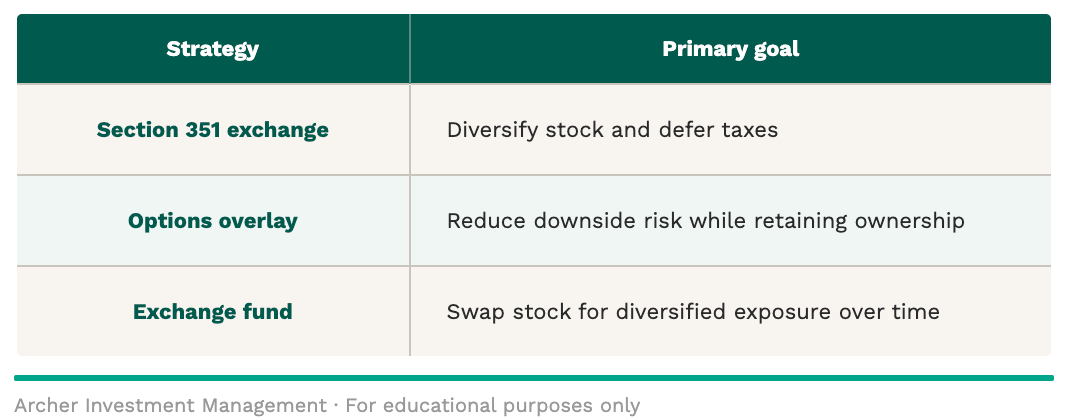
Big Picture: Three Paths to Managing Concentration Risk

At a high level, these strategies answer different questions:None is universally “better.” Each fits different priorities around taxes, control, liquidity, and complexity, especially important considerations before an IPO.

SpaceX employee diversification strategiesNone is universally “better.” Each fits different priorities around taxes, control, liquidity, and complexity, especially important considerations before an IPO.

Talk to your financial advisor to understand how this applies to your personal situation.

Section 351 Exchanges: Structural Diversification with Tax Deferral

A Section 351 exchange allows you to contribute SpaceX shares into a newly created entity in exchange for ownership in a diversified investment vehicle—without triggering immediate capital gains taxes.

Best for pre‑IPO SpaceX employees who:

  • Have extremely low cost basis
  • Are comfortable with long lockups
  • Want immediate diversification
  • Prioritize tax deferral over flexibility

Key advantages

  • No capital gains tax at the time of exchange
  • Immediate reduction in single‑stock exposure
  • Professionally managed diversification

Trade‑offs

  • Loss of control over assets and tax timing
  • Multi‑year illiquidity
  • Meaningful fees and complexity
  • Deferred taxes still come due later

A Section 351 plan is often the most aggressive diversification tool, but also the least flexible.

Options Overlays: Risk Management Without Selling Stock

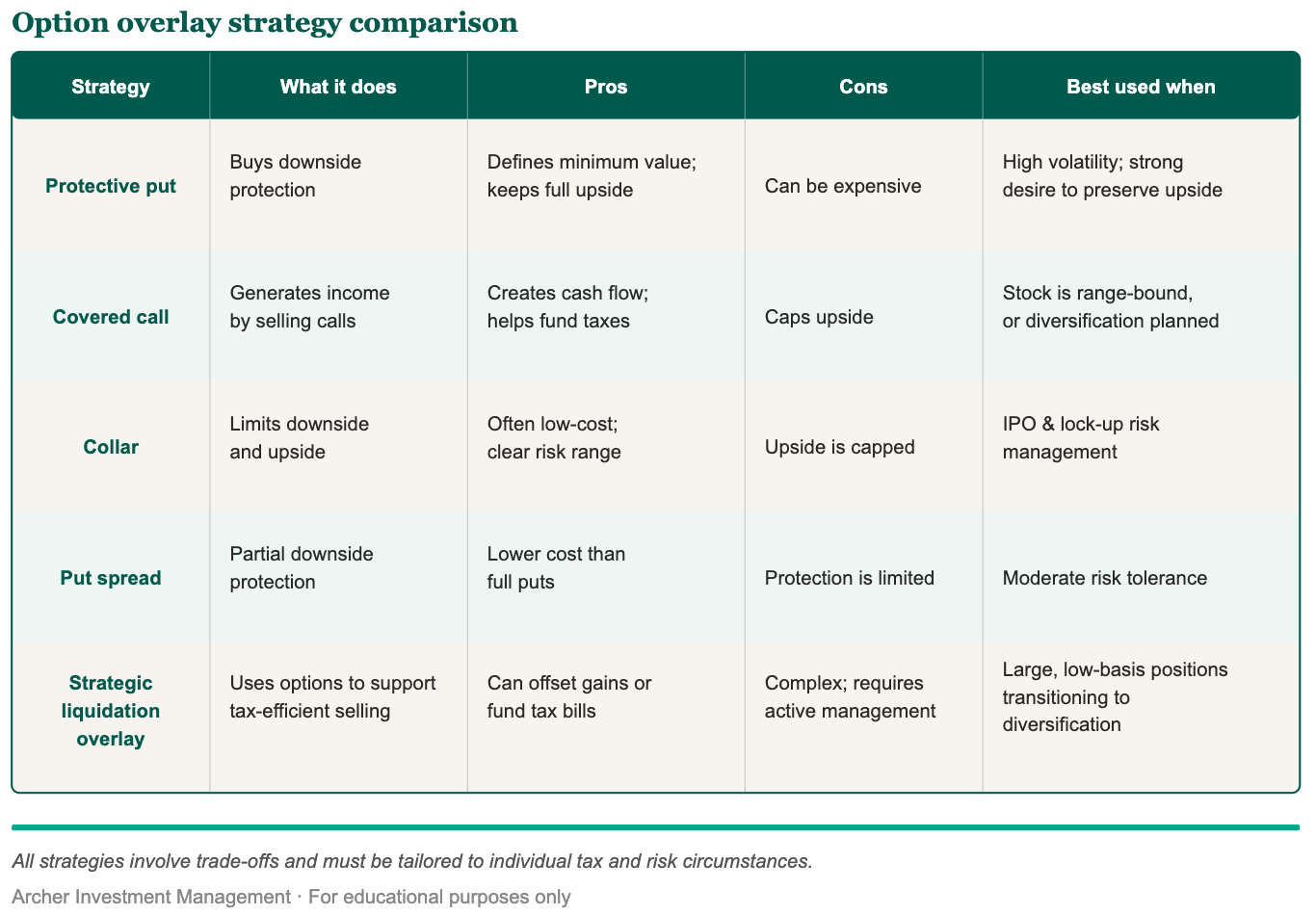
Options overlay strategies (such as collars or covered calls) use derivatives to define downside risk and/or generate income, while allowing you to continue owning your SpaceX shares.

For pre‑IPO employees, these are sometimes used when liquidity events are expected, but timing remains uncertain.

Best for pre‑IPO SpaceX employees who:

  • Want to retain ownership and control
  • Are comfortable with complexity
  • Expect future liquidity (IPO or tender)
  • Prefer incremental risk reduction

Key advantages

  • No sale of shares
  • Retains upside (to a point)
  • Can reduce volatility or generate income

Trade‑offs

  • No true diversification
  • Requires ongoing management
  • Costs can erode returns
  • May cap upside during major positive events

Options overlays manage risk, not concentration. Your net worth is still tied to SpaceX.

👉 Learn more about our financial planning work with high-earning tech executives, or read our broader guide to SpaceX IPO financial planning.

Exchange Funds: A Middle Ground—With Constraints

Exchange funds pool stock from multiple investors and allow participants to exchange their concentrated shares for interests in a broadly diversified fund.

Unlike Section 351 exchanges, many exchange funds are long‑standing vehicles with predefined structures.

Best for pre‑IPO SpaceX employees who:

  • Want diversification without selling
  • Can tolerate long lockups
  • Are comfortable with limited transparency
  • Don’t need near‑term liquidity

Key advantages

  • Diversification without immediate taxes
  • Exposure to a portfolio of other stocks
  • Familiar structure for many high‑net‑worth investors

Trade‑offs

  • Very limited liquidity (often 7+ years)
  • Less control over holdings
  • Fees and structural constraints
  • Concentration can still re‑emerge at exit

Exchange funds can feel intuitive, but they are not liquid solutions, and exits often arrive later and differently than investors expect.

How Pre‑IPO SpaceX Employees Typically Combine These Strategies

In practice, most SpaceX employees don’t choose just one. Instead, diversification tends to happen in stages, as liquidity options evolve:

  • Early career: tolerate concentration, build cash reserves
  • Pre‑IPO maturation: evaluate options overlays or partial transfers
  • Liquidity events: layer in direct sales and tax planning
  • Post‑IPO: reassess full portfolio diversification

Section 351 plans may play a role, but often alongside more flexible tools that preserve future optionality.

There’s No “Best” Strategy; Only the Right Trade‑Off For You

The most common mistake we see is evaluating these strategies in isolation. The real question isn’t: “Which strategy is best?” It’s: “Which set of trade‑offs am I most comfortable living with?”

For pre‑IPO SpaceX employees, trade‑offs around liquidity, control, taxes, and risk tolerance matter more than theoretical returns.

Our team of CERTIFIED FINANCIAL PLANNER® professionals (serving clients nationwide, virtually) works with SpaceX employees to help them understand their equity, explore their options, and build personalized financial plans around what matters most to them.

If a large portion of your net worth is tied to SpaceX stock, a thoughtful plan can help you think more clearly about taxes, liquidity, concentration risk, and what this wealth is meant to do for your life. 

Book a call to build a thoughtful plan for your SpaceX equity, so you can worry less about money and focus more on the life you are building.

This article is for general educational purposes only and is not individualized tax, legal, or investment advice. Tax rules are complex and can change, and outcomes depend on your specific situation. You should consult your CPA and/or attorney regarding your circumstances. Archer Investment Management is an SEC-registered investment adviser; registration does not imply a certain level of skill or training. Investing involves risk, including the possible loss of principal. 
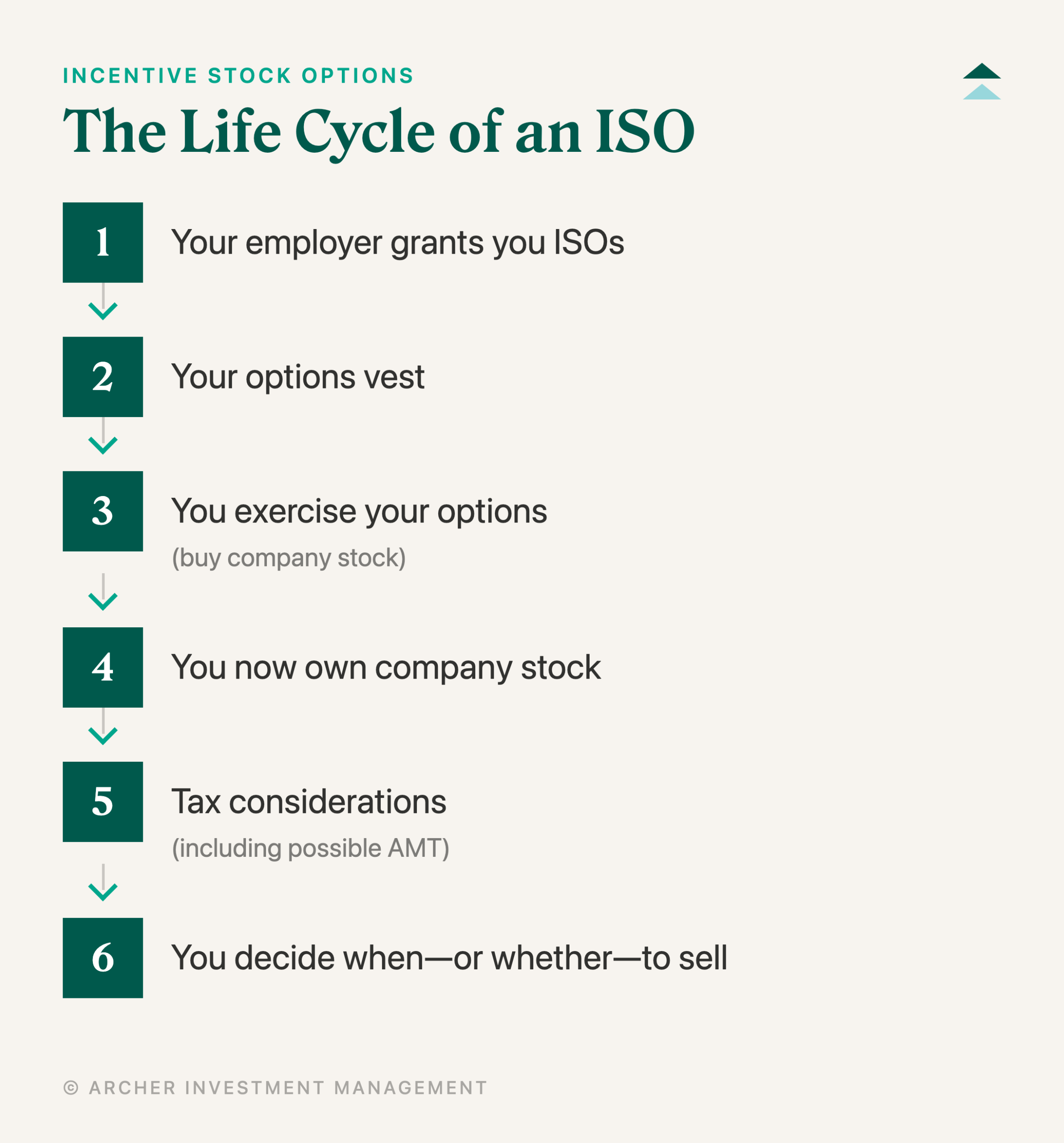
SpaceX IPO Lock-Up Planning: Reducing Concentration Risk with Tax‑Managed Long/Short Strategies

SpaceX IPO lock-up planning
Key Takeaways:
  • A SpaceX IPO can make your equity feel more valuable overnight, but lock-ups and trading restrictions may still limit what you can actually do with it.
  • Concentrated stock creates more than just investment risk. It can also make tax planning, diversification, and timing much harder during a narrow decision window.
  • For some high-income employees, advanced planning strategies may help create more flexibility and make post-IPO decisions more manageable.

For many SpaceX employees, especially high-earning tech professionals, an IPO won’t necessarily create immediate freedom. But it will create a new layer of complexity.

Your equity may suddenly have a public market price, but lock-up restrictions and trading windows can still often delay when you’re actually able to sell. 

That can leave many employees in a frustrating position during IPO year: a large portion of their net worth is visible and market-priced, but still not liquid.

That is why SpaceX IPO lock-up planning matters. 

The goal isn’t just to react when the lock-up ends. It’s to make thoughtful decisions before taxes, concentration risk, and market volatility all start showing up at once.

This article focuses on one advanced planning tool some high-income investors and tech executives may use in that window: a tax-managed long/short strategy.

Talk to your financial advisor to understand how this applies to your personal situation.

The Problem: Concentrated Stock and IPO Timing

For many employees, SpaceX IPO planning unfolds in three phases:

1. Before the IPO

Your equity has value, but liquidity is still uncertain.

2. During the IPO and Lock-Up Period

Your stock may now have a public market price, but selling can still be restricted for a period that is often around 180 days.

3. After the Lock-Up Ends

Liquidity may finally arrive, but taxes, concentration risk, and emotional decision-making often become more immediate.

One of the biggest planning mistakes is waiting until the lock-up ends to act. 

By then, the stock is public, the value is visible, and the pressure to make the “right” decision can feel much higher. That is often when volatility, tax consequences, and concentrated-stock risk all start to collide. 

What Is a Tax-Managed Long/Short Strategy?

A tax-managed long/short strategy is an advanced investment approach used within a taxable portfolio. 

It combines long positions and short positions in a way that aims to keep overall market exposure similar to a more traditional equity allocation while increasing the opportunity to harvest capital losses over time.

In plain English, the benefit is not that it makes taxes disappear. It’s that it could create more flexibility later if you need capital losses to help offset gains from selling concentrated stock.

For example, for some SpaceX employees, that could be useful when a large portion of their net worth is tied up in low-basis company stock, and selling too much at once could create a meaningful tax bill.

Why This Can Matter for SpaceX Employees

If you hold a large amount of low-basis SpaceX stock, diversification may feel harder than it sounds. On paper, selling shares reduces concentration risk, but in practice, selling can also trigger substantial capital gains and a large tax cost. 

That tax friction is just one reason some employees hold concentrated stock longer than they really want to.

A tax-managed long/short strategy is sometimes used to help create more flexibility by:

  • Building a reserve of potential capital losses over time
  • Creating losses that may help offset future capital gains
  • Supporting a more gradual, tax-aware path to diversification
  • Reducing the pressure to sell too much, too quickly, in a narrow post-lock-up window

Again, this approach does not eliminate taxes or remove market risk, but in the right situation it could help make diversification more manageable.

How Long/Short Can Fit Into the SpaceX IPO Timeline

Before the IPO

Financial planning during this phase is mostly about creating flexibility before liquidity arrives. 

In some cases, a tax-managed long/short portfolio may be funded with cash or other taxable assets, so it’s already in place before SpaceX shares become sellable.

During the IPO and Lock-Up Period

This is often the most uncomfortable phase. Your equity may have a visible market value, but your ability to act on it is still limited. 

During that time, a tax-managed long/short portfolio can continue operating independently and may continue harvesting losses if market conditions allow, even while SpaceX shares remain restricted.

After the Lock-Up Ends

Once shares become sellable, previously harvested losses may help offset gains from staged sales of SpaceX stock. Over time, leverage may be reduced, and the portfolio may transition toward a more traditional long-only structure as concentration risk declines.

That is why exit planning matters. 

A tax-managed long/short strategy should not be treated as a permanent add-on without a clearly defined purpose. It should be part of a broader plan for reducing concentration risk over time.

👉 Learn more about our financial planning work with high-earning tech executives, or read our broader guide to SpaceX IPO financial planning

What SpaceX Employees May Get Out of This

For a tech professional with concentrated stock, the value of this strategy is not just technical: it’s practical.

A thoughtful SpaceX IPO lock-up planning process could help you:

  • Avoid feeling forced to sell too much at once
  • Create more flexibility around when and how to diversify
  • Manage taxes more deliberately over time
  • Reduce stress that often comes from having too much wealth tied to one stock
  • Make decisions with more clarity during a period that can feel emotionally charged

That is the bigger point. The goal is not to find a perfect strategy but to reduce the odds of rushed decisions at exactly the moment when the stakes feel highest.

Important Tradeoffs to Understand

Tax-managed long/short strategies are advanced and may not suit every investor.

They can involve:

  • Leverage and margin
  • Higher complexity than traditional long-only investing
  • Additional costs
  • Active risk management
  • The need for a clearly defined exit or deleveraging plan

This strategy is generally best suited for high-income investors with large taxable portfolios and significant concentrated stock exposure. They also require careful coordination with the rest of the financial plan, including tax planning, liquidity needs, and the timeline for reducing concentration risk.

The Bigger Planning Goal

For many SpaceX employees, the real goal during this time is to reduce concentration risk, manage taxes thoughtfully, and create more flexibility during the period when the stock is public but life still feels uncertain.

A tax-managed long/short strategy is just one tool some investors use toward that end. In the right situation, it may help make diversification more gradual and more tax-aware. But like any advanced strategy, it works best when it is part of a larger financial plan rather than a standalone tactic.

Ready to Build a SpaceX IPO Tax-Managed Long/Short Strategy?

Our team of CERTIFIED FINANCIAL PLANNER® professionals (serving clients nationwide, virtually) works with SpaceX employees to help them understand their equity, explore their options, and build personalized financial plans around what matters most to them.

Book a call to build a thoughtful plan for your SpaceX equity, so you can worry less about money and focus more on the life you are building.

If a large portion of your net worth is tied to SpaceX stock, a thoughtful plan can help you think more clearly about taxes, liquidity, concentration risk, and what this wealth is meant to do for your life.

This article is for general educational purposes only and is not individualized tax, legal, or investment advice. Tax rules are complex and can change, and outcomes depend on your specific situation. You should consult your CPA and/or attorney regarding your circumstances. Archer Investment Management is an SEC-registered investment adviser; registration does not imply a certain level of skill or training. Investing involves risk, including the possible loss of principal. 
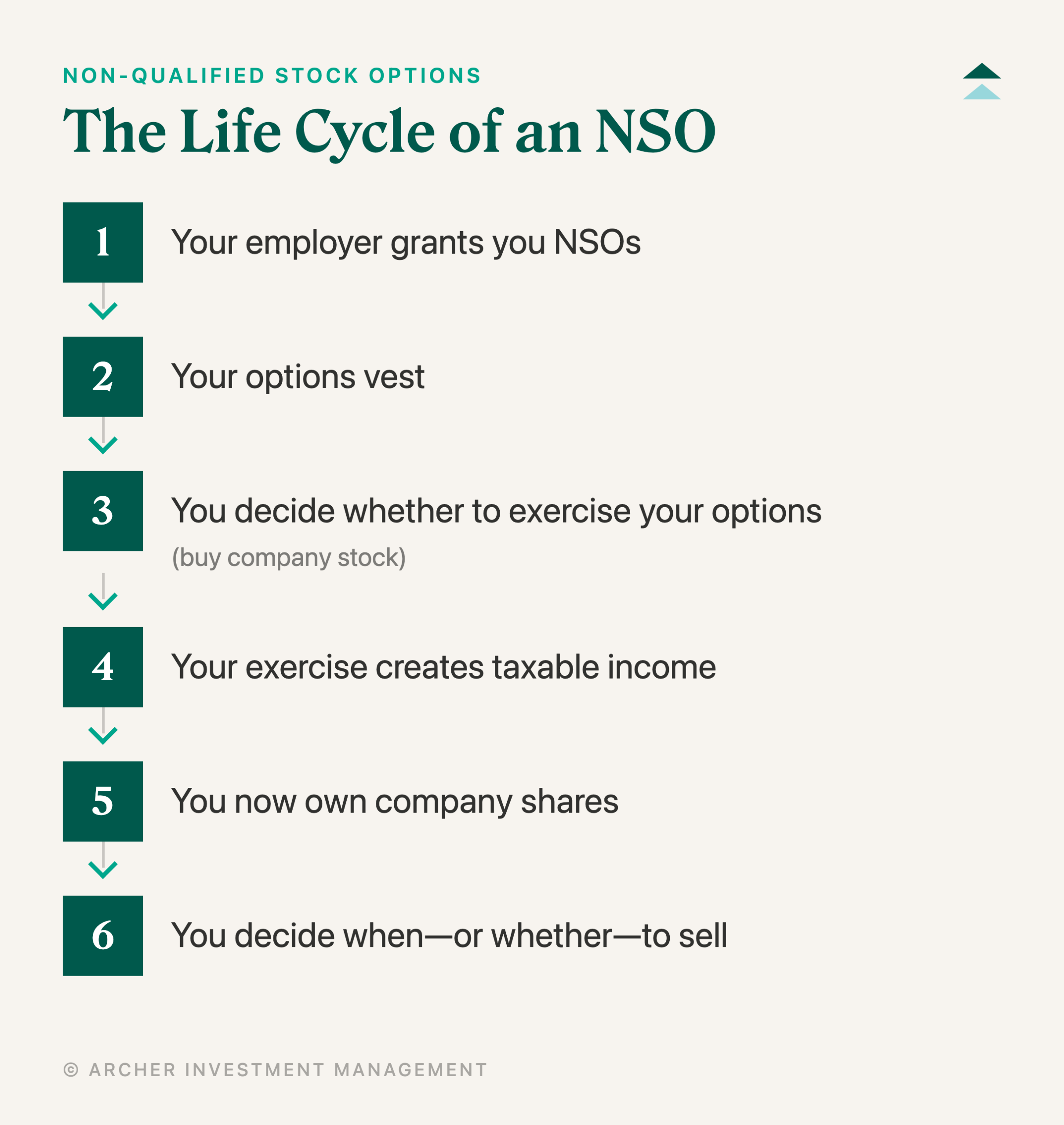
SpaceX IPO Option Overlay Strategies: What to Know About Equity Risk and Taxes

SpaceX IPO option overlay strategies for SpaceX employees — Archer Investment Management
Key Takeaways:
  • If a large chunk of your net worth is tied to SpaceX stock, an option overlay strategy may let you manage your risk without triggering a big tax bill.
  • Your lock-up period is actually planning time. Use it.
  • The goal isn’t a perfect exit. It’s to have a clear plan in place so you’re not making major financial decisions under pressure.

With a potential SpaceX IPO having been widely discussed as early as June, many SpaceX employees are asking the same questions about SpaceX IPO option overlay strategies:

  • What happens if the stock drops after the IPO?
  • How do I reduce risk without blowing up my tax situation?
  • Is there a way to potentially diversify without selling everything right away?

If you’re a SpaceX employee and a large portion of your net worth is tied to SpaceX stock (through options, RSUs, or early-stage shares), you’re in a classic “concentrated‑wealth” scenario. 

And while an IPO can be an exciting milestone, it may also introduce volatility, lock-ups, and significant tax exposure.

This is where option overlay strategies may be worth exploring, ideally with a financial advisor who specializes in working with tech professionals.

This article is for general educational purposes only and is not individualized tax, legal, or investment advice. Please consult your CPA and/or attorney regarding your specific circumstances.

The Unique Risks SpaceX Employees May Face Before an IPO

Pre-IPO equity can have several defining characteristics worth understanding before a liquidity event: 

  • Extreme concentration: Your income and net worth may both be tied to the same company.
  • Low or near-zero cost basis: In plain terms, you may have shares that are worth a lot more than you paid for them, which means selling could trigger a large tax bill.
  • Timing constraints: lock-ups, blackout periods, and market volatility may limit your flexibility to act when you want to.

This is where option overlay strategies become especially relevant, and these are exactly the kinds of challenges we help tech professionals think through.

What Are SpaceX IPO Option Overlay Strategies (and How Are They Different From Selling?)

Think of an option overlay as a way to put a financial structure around stock you already own without having to sell it. 

It uses exchange-listed options (most commonly puts and calls) to potentially manage risk, create cash flow, and improve tax outcomes.

Some general characteristics of these strategies include:

  • You may be able to keep your shares
  • They do not automatically trigger capital gains, though tax treatment depends on your specific situation
  • Strategies can be tailored around an IPO window, lock-up period, and post-IPO plans

For SpaceX employees approaching a liquidity event, this allows planning before volatility hits, not after.

How Option Overlay Strategies May Help Limit IPO Downside Risk Without Selling

Markets around IPOs can be unpredictable. Certain SpaceX IPO option overlay strategies can help define your risk during periods of uncertainty.

Think of it as building a safety net around your stock during a period of uncertainty. 

Examples include:

  • Protective puts: essentially an insurance policy on your shares that may establish a floor on how much value you could lose
  • Collars: a combination of protection on the downside and a cap on the upside, often at a lower cost than a protective put alone

These approaches can be worth exploring:

  • In the months leading up to IPO pricing
  • During the lock-up period (when you can’t sell anyway)
  • When your personal liquidity needs don’t line up with market timing

Rather than hoping the market cooperates, the risk profile becomes explicit and intentional.

Using Option Overlay Strategies to Potentially Improve Tax Outcomes for SpaceX Employees

Option overlays can also support tax‑aware diversification over time.

Depending on the strategy and individual circumstances:

  • Option losses may be used to offset capital gains on stock sales
  • Option income or gains may help fund tax payments related to diversification
  • Certain option structures may receive favorable tax treatment versus stock sales

In practical terms, this can allow SpaceX employees to begin diversifying earlier and more efficiently than relying on outright sales alone.

From Concentration to Diversification: A Gradual Approach With Option Overlay Strategies

Rather than a single high-stress exit, SpaceX IPO option overlay strategies can support a multi-phase transition over time:

  • Reduce downside risk heading into and through IPO
  • Generate income or tax offsets post‑IPO
  • Sell shares more strategically over time
  • Reinvest into a diversified, lower‑risk portfolio

The goal isn’t to eliminate risk; it’s to navigate it more intentionally while improving after‑tax outcomes.

👉 Learn more about how we work with tech professionals or read our broader guide to SpaceX IPO financial planning

Common Option Overlay Strategies for SpaceX Employees

Below is a high‑level comparison of the most commonly used option overlay strategies around IPOs:

Option overlay strategy comparison for SpaceX employees — protective put, collar, covered call, put spread

This is not a recommendation of any specific strategy. Talk to your financial advisor to understand how this applies to your personal situation. 

What Option Overlay Strategies Don’t Do

It’s important to set clear expectations:

  • Option overlays do not eliminate risk entirely
  • Upside potential may be limited in exchange for downside protection
  • They require professional execution and ongoing monitoring
  • Tax treatment is not guaranteed and depends on individual circumstances
  • Past performance of any strategy is not indicative of future results

These strategies are most appropriate for investors who value planning, risk management, and tax awareness over short‑term speculation.

FAQ

What happens if SpaceX stock drops after the IPO?

Markets around IPOs can be unpredictable, and if a large portion of your net worth is tied to SpaceX stock, a drop in the share price can have an outsized impact on your overall financial picture. 

Certain option overlay strategies, such as protective puts or collars, may help define your risk during periods of uncertainty.

How do I reduce risk without blowing up my tax situation?

For employees with low or near-zero cost basis, selling shares outright may trigger a significant tax bill. 

An option overlay strategy may allow you to put a financial structure around stock you already own without having to sell it immediately. 

Depending on the strategy and individual circumstances, option overlays can also support tax-aware diversification over time.

Is there a way to potentially diversify without selling everything right away?

Rather than a single high-stress exit, option overlay strategies can support a multi-phase transition over time. 

In practical terms, this can allow SpaceX employees to begin diversifying earlier and more efficiently than relying on outright sales alone, while selling shares more strategically over time and reinvesting into a diversified, lower-risk portfolio.

Ready to Build a SpaceX IPO Option Overlay Strategy?

A June SpaceX IPO represents a once‑in‑a‑career financial milestone for many employees at this company. 

The biggest risk often isn’t even the IPO itself, it’s what happens after if no strategy is in place.

Having a thoughtful strategy in place before a liquidity event can help you make more informed decisions about risk, taxes, and diversification.

Our team of CERTIFIED FINANCIAL PLANNERs® work with tech professionals, including SpaceX employees, to help them understand their equity, explore their options, and build personalized financial plans around what matters most to them.

If you’re a SpaceX employee wondering whether an option overlay strategy might make sense for your situation, book a call with our team. We’d love to connect.  


This article is for general educational purposes only and is not individualized tax, legal, or investment advice. Tax rules are complex and can change, and outcomes depend on your specific situation. You should consult your CPA and/or attorney regarding your circumstances. Archer Investment Management is an SEC-registered investment adviser; registration does not imply a certain level of skill or training. Investing involves risk, including the possible loss of principal. 
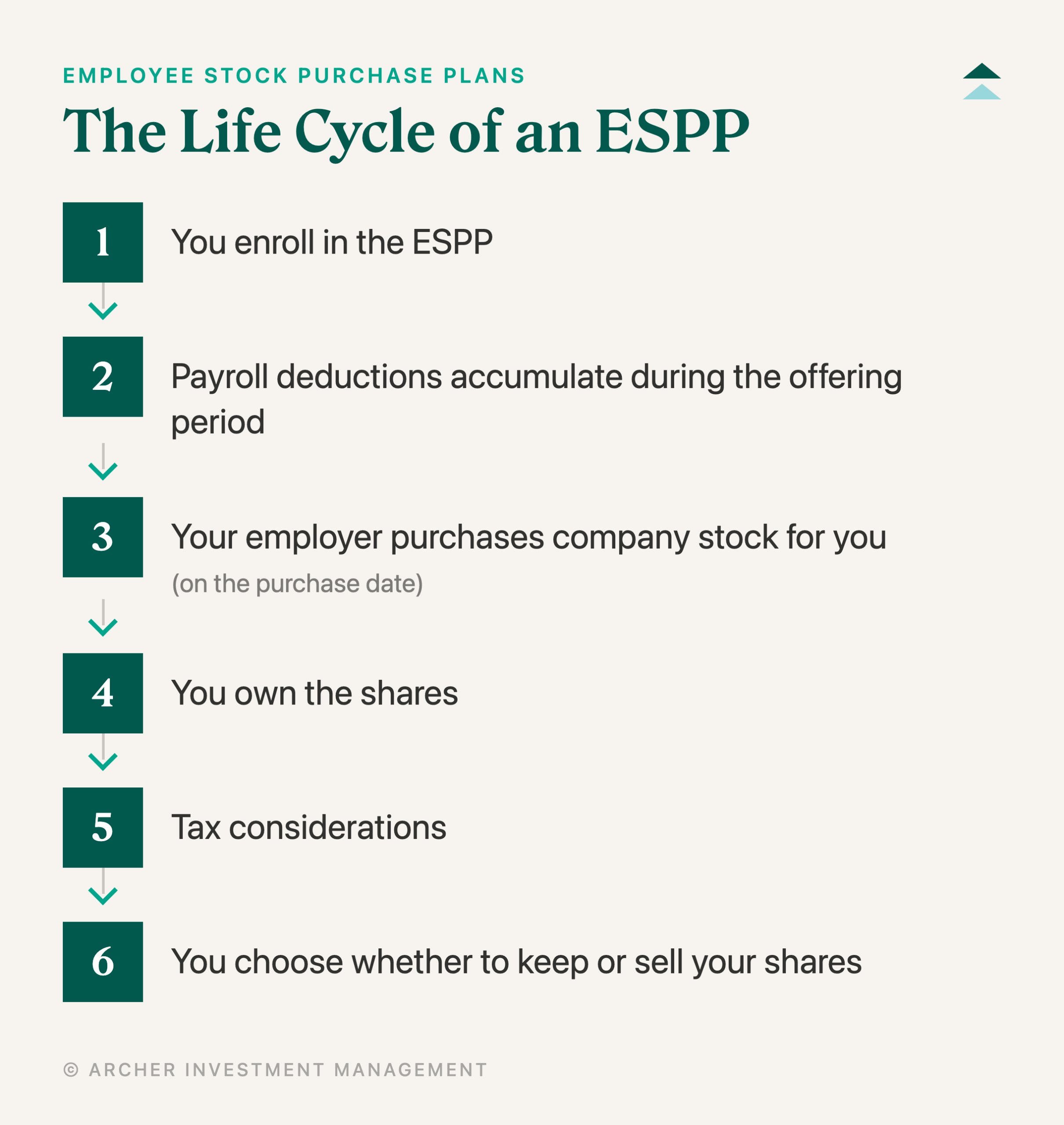
 

SpaceX IPO Planning: How to Plan Financially for the Upcoming IPO

SpaceX IPO planning guide for employees — Archer Investment Management
Key Takeaways:
  • Your SpaceX equity is not a single asset: RSUs, ISOs, and NSOs each carry different tax implications, and understanding the difference can meaningfully change your outcome.
  • Your state of residency at the time of the IPO can shift your tax bill by hundreds of thousands of dollars. It’s worth planning for before the window closes.
  • A strong financial plan goes beyond taxes. It’s about making sure your entire financial picture is positioned to make the most of this opportunity.

If you work at SpaceX, a large chunk of your net worth might exist in SpaceX equity, which can make that money feel more theoretical than tangible. But if an IPO happens, that “future money” can suddenly create very real decisions around taxes, liquidity, concentration risk, and timing. 

Even after an IPO, employees and insiders are often subject to lockup agreements that could restrict selling for about 180 days. Your net worth could become “market priced” before it becomes “liquid.”

For many high-earning tech professionals, this is where success starts to feel stressful. The value is real, but the path forward is not always clear. 

Your SpaceX Equity Is Not One Asset

One of the big mistakes employees can make is treating SpaceX equity like it’s “one thing” aka a single asset. 

In reality, it is often a mix of private shares, stock options, and RSUs…and each one has different tax landmines: 

  • RSUs are generally taxed like wages when they vest. Think of it like a cash bonus paid in stock. You may have capital gains or losses after vesting if you hold and sell later. 
  • ISOs may trigger AMT when exercised, even if you don’t sell (a “phantom tax” problem).
  • NSOs typically generate ordinary income at exercise. 
  • High earners often model long‑term capital gains at the top federal rate plus the 3.8% net investment income tax (NIIT) once income exceeds the NIIT thresholds, including $250,000 for married filing jointly (MFJ). 

Case Study: Maria, 50 — $6M in Pre-IPO Equity and No Plan Yet

Meet Maria. She’s 50, married filing jointly, with two young children ages 6 and 8. She holds $6 million in pre‑IPO SpaceX equity and hasn’t done much planning. Because it doesn’t feel real yet. 

This is more common than most people realize. When your wealth is tied up in shares you can’t sell, it’s easy to delay planning. But IPO year is often when that uncertainty turns into pressure. 

Suddenly, RSU withholding may fall short. ISO exercises may create AMT exposure. Lockup rules may delay access to the liquidity you would use to pay taxes or reduce risk.

Maria’s question isn’t just “What will I owe?” It’s “How do I make smart decisions now without creating regret later?”

SpaceX equity mix and tax planning breakdownWhat the Tax Picture Could Look Like

Let’s look at a simple illustration of what taxes could look like once liquidity exists. The point is not to create fear, it’s to make the tradeoffs easier to see before the stakes get higher.  

Federally, high earners commonly model 20% long‑term capital gains + 3.8% NIIT (NIIT applies once MAGI exceeds thresholds like $250,000 MFJ).

And because lockups can restrict selling for ~180 days after IPO, one of the best planning moves is simply to build a tax reserve and liquidity runway now. So you’re not forced into rushed decisions the moment the window opens. 

The examples given are for illustrative purposes only. Speak with a financial planner to understand how the tax triggers, gains, and impacts apply to your situation.

Estimated federal taxes on SpaceX IPO proceedsThe State-Tax Swing: Why Residency Matters in SpaceX IPO Planning

Where you live can make a big difference in how much you actually keep after taxes. 

For example, California taxes capital gains at ordinary income rates for state tax purposes. Yet, Florida and Texas have no state income tax for individuals. 

So if a major liquidity event is coming, your state of residency at the time of sale can meaningfully affect how much of your IPO liquidity you keep.

The illustration below shows just how wide that gap can be.

State tax comparison for SpaceX IPO planning — TX FL CAA practical note here: residency planning has to be real. It is not about a last-minute change on paper. If a move is already under consideration, it usually needs to be handled correctly and early enough to matter.  

“Do I have to sell everything at once?” 

Usually, no. 

A thoughtful SpaceX IPO planning strategy aims to:

  1. Avoid tax surprises
  2. Reduce the risk of having “too much in one stock”
  3. Respect lockups and trading windows

A common risk-management tool for concentrated stock is a collar strategy (own the stock, buy a protective put, sell a covered call) to define a floor and ceiling for a period of time. This is helpful when you want downside protection without immediately selling everything. 

If you’re subject to blackout windows or insider restrictions, a Rule 10b5‑1 trading plan may help. It creates a disciplined selling approach once trading is permitted, with rules like cooling‑off periods and good-faith requirements. 

The goal isn’t to time everything perfectly. It’s to make steady, informed decisions you can feel good about.

Risk reduction strategies for SpaceX employees pre-IPOIPO Wealth Is a Life-Planning Moment

IPO wealth is not just an investment issue. It’s a moment that touches your entire financial life. 

For Maria, that means more than building a tax-smart equity strategy. It also means making sure the rest of her financial life is ready for what this wealth could make possible. 

We would review estate documents, including guardianship language for her children, wills, trusts, and powers of attorney. We’d build a college funding plan that supports her kids without putting her retirement at risk. We’d also review umbrella liability coverage, since a higher net worth can increase the financial impact of everyday risks. 

All of that connects back to the equity plan itself. RSUs vest and create tax events while ISOs can trigger AMT.

A strong financial plan connects those moving pieces, so Maria can make decisions with more clarity, avoid unnecessary surprises, and use her SpaceX equity in a way that supports her family and her long-term goals.

Ready to Turn Your SpaceX Equity Into a Clear Plan?

If you’re a SpaceX employee with a large portion of your net worth tied to SpaceX stock, thoughtful planning can help you do more than prepare for taxes.

It can help you make smarter decisions about liquidity, risk, and what this wealth is meant to do for your life. 

We help clients turn complex equity compensation into a clear strategy, so they can feel more confident about their money and more free to focus on what comes next.

Schedule a call with our team, which specializes in financial planning for tech executives to turn your SpaceX equity into a clear plan, so you can worry less about money and focus more on the life you’re building.

This article is for general educational purposes only and is not individualized tax, legal, or investment advice. Tax rules are complex and can change, and outcomes depend on your specific situation. You should consult your CPA and/or attorney regarding your circumstances. Archer Investment Management is an SEC-registered investment adviser; registration does not imply a certain level of skill or training. Investing involves risk, including the possible loss of principal. 
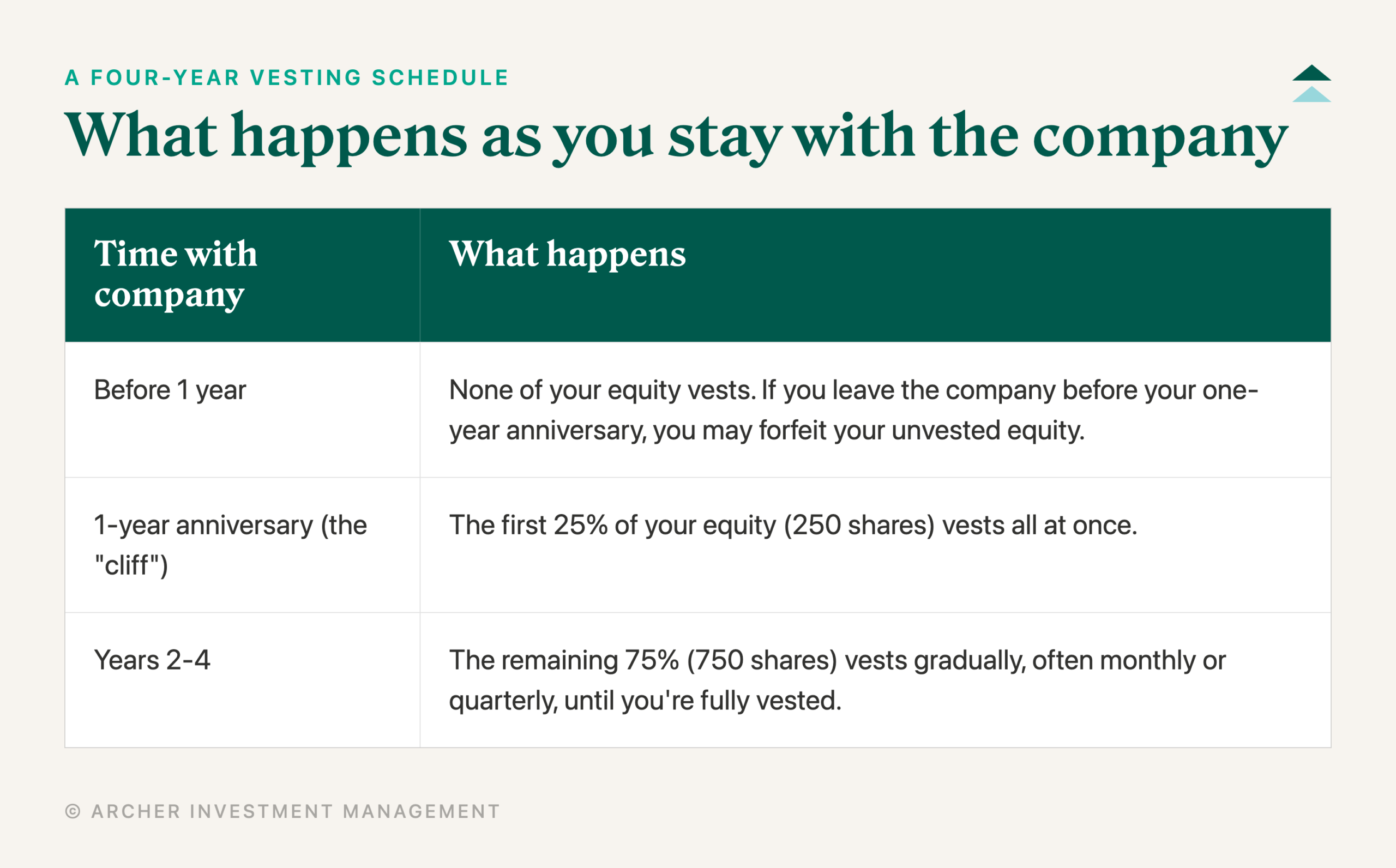
 

The Best Financial Advisors in Austin in 2026

Top financial advisors in austin texas 2026

About Archer Investment Management

At Archer Investment Management, we help tech professionals and pre-retirees gain clarity and confidence about their financial futures — so they can worry less about money and focus more on enjoying the life they’ve worked hard to build.

Many of our clients are high earners navigating tech equity compensation, IPO windfalls, and high-stress roles, or individuals preparing for retirement who want a smooth and confident transition.

What makes us unique as financial advisors is our belief that money isn’t just math — it’s deeply connected to your decisions, your dreams, and sometimes even your worries. 

That’s why we design financial plans that don’t just prepare you for the future, but also make your life feel better today. 

By weaving together financial planning, tax strategies, and investment management with proactive guidance, we help clients replace stress and second-guessing with clarity, confidence, and more room for the things that matter most.

The result is a clear plan that reduces stress and creates flexibility in your financial life

Whether you’re aiming to retire early, shift into more fulfilling work, or maximize the wealth you’ve worked so hard to build.

Here’s what clients say about working with Archer:

“I was quite literally afraid of getting help and of all that it involved. It’s been wonderful. No kidding: best decision ever!

I’m not finance-oriented by any measure, but luck came my way for once and I found myself having enough assets to need some help. Only I didn’t know what kind of help I needed and it’s easy to get overwhelmed quickly and I was on like year number whatever of being overwhelmed and I just kicked that can down the road every year.

After a short search, I found Archer’s team and quickly just pushed other options off the table and signed on. They’ve actually been able to simplify things in a way that makes me feel like I can manage my life and not worry about it all for the first time in years. I basically had all eggs, but no basket. Now I have a comprehensive plan from some incredible staff and I actually love the process instead of dreading the matter.

Simply put, Archer has changed how I view my own finances and what used to be a cause of stress for me is now a giant sigh of relief. I said in the title it was the best decision ever and I mean it: this has 100% seriously no-fingers-crossed changed my life. If you’re like me and you’ve been debating if you even need this kind of help, then yes… yes, you do!”

Scott
Received via WealthTender on July 10, 2024

Disclosure: These testimonials were provided by current Archer Investment Management clients and may not be representative of the experiences of other clients. The clients were not compensated, nor are there material conflicts of interest that would affect the given testimonials. View more reviews on WealthTender or Google.

That said, we know we aren’t the right fit for everyone. That’s why we’ve compiled this list of other respected financial advisors in Austin for 2026 to help you find the right match for your unique situation.

Disclaimer: This list is not exhaustive. It reflects our opinion only and should not be considered a testimonial or endorsement of any advisor included.

Other Top Financial Advisors in Austin in 2026

1. LeafHouse Financial

Specialty: 

  • High-net-worth families
  • Institutional retirement plans

Why They Stand Out: LeafHouse is one of Austin’s largest independent RIAs, managing over $2 billion in assets. They’re known for their retirement plan investment management expertise, fiduciary advice, and proprietary technology platform that streamlines complex portfolio oversight.

2. Reap Financial

Specialty:

  • Entrepreneurs
  • Families focused on legacy planning

Why They Stand Out: Reap operates as a “virtual family office,” guiding clients through tax strategy, estate planning, retirement income, and investments. They’re particularly strong for entrepreneurs and affluent families who want to preserve and grow wealth across generations.

“Chris and his team enabled me to retire and continue to enjoy a very comfortable lifestyle. Their level of professionalism, fiscal knowledge and integrity is very hard to find in these competitive times. Reap Financial guided us through the many investment loopholes, ensuring we placed our savings in the right buckets.

For anyone looking for financial peace of mind in their later years, I would not hesitate to recommend Chris and his team at Reap Financial.”

Keith M.
Received via Google Review in May 2025

3. Austin Wealth Management

Specialty: 

  • Holistic wealth planning with ongoing client access

Why They Stand Out: Austin Wealth emphasizes collaboration and education. Clients gain access to a secure wealth management system to track progress, paired with regular check-ins and proactive communication.

4. DESMO Wealth Advisors

Specialty: 

  • Fee-only financial planning informed by behavioral economics

Why They Stand Out: Led by Dr. Massi de Santis, Ph.D. and CFP®, DESMO integrates behavioral economics into comprehensive, fee-only planning. Their approach helps clients identify and overcome biases that can derail financial progress.

5. Elgon Financial Advisors

Specialty: 

  • Immigrants
  • Professionals with equity compensation

Why They Stand Out: Founded by Jane Mepham, CFP®, Elgon focuses on immigrant families and professionals navigating equity compensation. Jane’s IT background and personal immigrant experience give her unique insight into the challenges these clients face.

Jane is not only a great financial advisor but also knowledgeable, kind, and hard working.

She’s ready to do the research to help advise on tricky financial decisions or provide the depth of knowledge she already has on cross-border financial advice. 

We’re so happy we chose Jane as our advisor.”

Mat B.
Received via Wealthtender in March 2025

How Archer Investment Management Is Different

When you’re searching for the right financial advisor, it can be difficult to spot the differences. 

Here’s what sets Archer apart:

  • Client-first, always. As fiduciaries, we’ll never recommend strategies you don’t need.
  • Quality over quantity. We limit the number of clients we serve to ensure deeply personalized guidance.
  • 100% digital. From paper-free planning to secure dashboards, our approach is built for modern professionals.
  • Proactive planning. We provide ongoing reviews, annual check-ins, and Flourish Meetings to keep your plan aligned with your goals as life changes.

Recognition & Awards

Archer Investment Management has been recognized with several national awards, including:

  • Forbes Top Women Wealth Advisors (2026)
  • Forbes Best-In-State Wealth Advisors (2025)
  • Forbes Top Next-Gen Wealth Advisors (2025)
  • Wealthtender Voice of the Client Highly Rated Firm (2025)
  • Wealthtender Voice of the Client Highly Rated Advisor (2025)

To learn more about our professional certifications and awards, click here.

See all award disclosures here.

The Bottom Line

Austin is home to a wide range of excellent financial advisors, each with unique specialties and strengths. If you’re looking for guidance, you have strong options across the city.

But if you’re a tech professional navigating equity compensation or a pre-retiree preparing for your next chapter, Archer Investment Management may be a great fit for you.

We help clients reduce stress, create flexibility, and build an intentional financial plan that supports the life they want to live today and tomorrow. 

Want to learn more? Schedule a free consultation with one of our CERTIFIED FINANCIAL PLANNERS® today.